
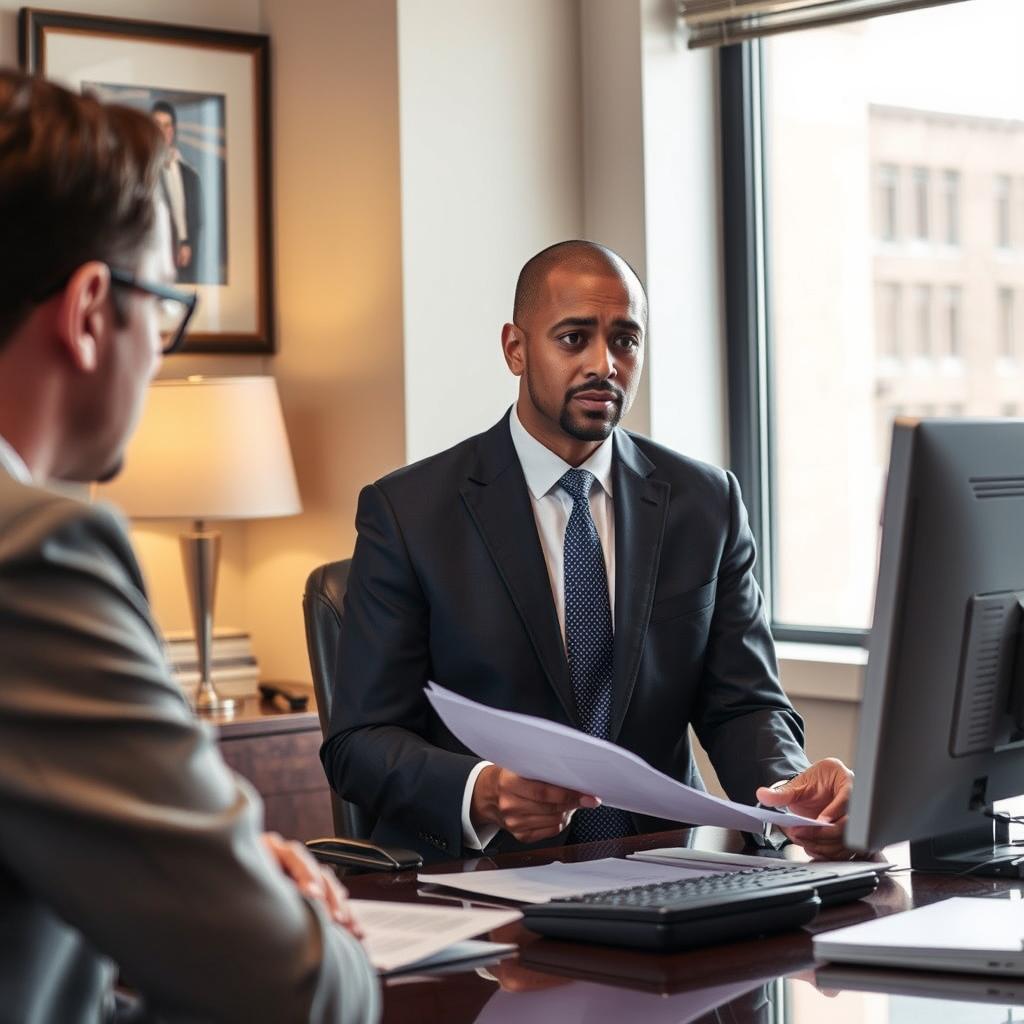
Unauthorized Use of Computer Lawyer U Street Corridor, DC
A criminal charge for unauthorized use of a computer in the U Street Corridor of Washington, D.C. Can disrupt your career, your security clearance, and your standing in the community. The U Street Corridor—stretching along U Street NW from 9th Street to 18th Street, with vibrant nightlife, music venues, and growing tech and creative businesses—sits at the intersection of federal territory and local neighborhood life. When the Metropolitan Police Department makes an arrest for accessing a computer system without authorization, the case moves to the DC Superior Court at 500 Indiana Avenue NW, prosecuted by the United States Attorney’s Office for the District of Columbia under D.C. Code Title 22. Mr. Sris and his Of Counsel handle computer-crime charges throughout the District, including the U Street area, Logan Circle, Shaw, and surrounding neighborhoods. Reach Law Offices Of SRIS, P.C. at (888) 437-7747 to request a consultation about an unauthorized-use-of-computer matter. Law Offices Of SRIS, P.C. – Advocacy Without Borders.
What Unauthorized Use of Computer Means in the U Street Corridor, DC
The District of Columbia treats unauthorized access to a computer system, network, or data as a criminal offense. The relevant statutes fall under D.C. Code Title 22 (Criminal Offenses and Penalties), a body of law that covers a range of technology‑related conduct—from accessing a protected computer without permission to using a computer to commit fraud or theft. Because Washington, D.C. Is a federal territory, local crimes under the D.C. Code are prosecuted by the United States Attorney’s Office for the District of Columbia, not a local district attorney. That structure means federal prosecutorial resources and investigative agencies can become involved, though the case itself is heard in DC Superior Court’s Criminal Division. The court sits at Judiciary Square, just a few miles from the U Street Corridor and accessible by Metro’s Red, Green, and Yellow lines.
In the U Street neighborhood, computer-crime cases frequently arise in contexts tied to the area’s mix of residences, businesses, and cultural venues. Allegations may involve accessing an employer’s network, using a co‑worker’s credentials, installing unauthorized software, or downloading data without permission. Because many jobs in the District require security clearances or involve sensitive federal information, a computer-crime charge can carry professional consequences beyond the courtroom. The Pretrial Services Agency—a federal agency, not a traditional cash‑bail system—conducts a risk assessment and recommends release conditions after an arrest. An experienced defense attorney can address the unique local procedures from the initial presentment through any potential trial or negotiated resolution.
How Mr. Sris and His Of Counsel Handle Unauthorized Use of Computer Cases
Mr. Sris and his Of Counsel begin by examining the digital evidence the government intends to use. Unauthorized-use charges frequently rely on server logs, IP‑address records, email headers, and forensic images of hard drives. The team works with qualified digital‑forensic professionals to review the state’s findings, identify gaps in the chain of custody, and challenge authentication when the evidence does not meet the required legal standard. Early engagement with the United States Attorney’s Office can often resolve factual disagreements before an indictment or information is filed. When pre‑indictment negotiation is not appropriate, the focus shifts to pretrial motions, including suppression of evidence obtained without a warrant or in violation of statutory privacy protections.
If a case proceeds to trial, Mr. Sris and his Of Counsel prepare to examine the government’s technical witnesses and to present alternative explanations for the electronic traces the prosecution relies on. The District’s unique jurisdictional structure means federal procedural rules and local court practices both apply, and having counsel familiar with the DC Superior Court’s Criminal Division calendar, motions practice, and discovery procedures is essential. In the U Street Corridor area, where many residents work in government, technology, or the arts, the collateral consequences of a conviction—from employment termination to loss of professional licenses—are often as significant as any term of incarceration. The defense strategy therefore addresses both the immediate criminal charge and the long‑term impact on the client’s livelihood.
About Mr. Sris and His Of Counsel Team
Mr. Sris, Owner and Founder of Law Offices Of SRIS, P.C., has practiced since 1997. A former prosecutor, he brings trial‑court experience to each representation. Mr. Sris testified before the Virginia House Courts of Justice Committee in support of 2019 HB 635 (chief patron Del. David Bulova). He is admitted in Virginia, Maryland, the District of Columbia, New Jersey, and New York. Mr. Sris and his Of Counsel team bring extensive combined legal experience to computer‑crime matters. Results may vary.
All non‑Sris attorneys serve as Of Counsel—experienced practitioners who collaborate on case strategy without the hierarchical structure of a traditional firm. The team’s knowledge of DC Superior Court practice, federal criminal procedure, and the technical dimensions of computer‑offense charges means that an individual facing an unauthorized‑use allegation in the U Street Corridor receives informed, multi‑state representation. In the District, Mr. Sris and his Of Counsel have documented case results in criminal matters. One documented result: 1 dismissed/not guilty (favorable outcome in all reported instances). Results may vary. prior results do not guarantee a similar outcome in any particular case.
Frequently Asked Questions
Who prosecutes criminal cases in Washington, D.C.?
All criminal cases in Washington, D.C., are prosecuted by the United States Attorney’s Office for the District of Columbia (USAO‑DC). Because the District is a federal territory, local crimes under the D.C. Code are handled by federal prosecutors, not a local district attorney. Charges are heard at the DC Superior Court, 500 Indiana Avenue NW. The USAO‑DC brings cases ranging from misdemeanor computer offenses to serious felonies. The Public Defender Service for DC provides representation for those who cannot afford private counsel; retaining private counsel early allows you to begin building your defense before the initial court appearance.
Does DC have cash bail?
No, the District of Columbia does not use a traditional cash‑bail system. After an arrest, the Pretrial Services Agency (PSA)—a federal agency—conducts a risk assessment and recommends release conditions to the court. Most defendants are released without posting money, often with conditions such as stay‑away orders or periodic check‑ins. The PSA recommendation can influence whether a person is held pending trial, so having an attorney who can present relevant facts at the initial appearance is important. A computer‑crime charge does not automatically trigger detention, but the government’s argument about risk of flight or danger to the community must be addressed promptly.
Can I get my DC criminal record sealed?
Yes, many criminal records in DC can be sealed under D.C. Code § 16‑803. Sealing is available for acquittals, dismissals, and certain convictions after a waiting period. Marijuana offenses have expanded eligibility, and motions for sealing are filed in DC Superior Court. For computer‑related charges that are dismissed or result in a not‑guilty verdict, the record can often be sealed more quickly. An attorney can advise you on your eligibility and file the necessary paperwork. Even if you are still facing pending charges, understanding the post‑conviction relief options helps you plan for your future.
What should I do if I am arrested for unauthorized use of a computer in the U Street Corridor?
Remain silent and ask to speak with an attorney. Do not give a statement to the Metropolitan Police Department, consent to any search of your electronic devices, or discuss the facts with anyone other than your lawyer. Preserve any relevant digital evidence—but do not delete, alter, or destroy it, as that can lead to additional obstruction charges. Contact a criminal defense attorney licensed in the District of Columbia as soon as possible. Early intervention by counsel can shape the government’s charging decision, the pretrial release conditions, and the direction of the investigation before formal charges are filed.
How long does an unauthorized‑use case take in DC Superior Court?
The timeline for a computer‑crime case depends on the charge, the volume of digital evidence, and the court’s calendar. Misdemeanor matters may resolve in a matter of months, while felony investigations can take longer, especially if a grand jury indictment is sought. The complexity of forensic examination—hard‑drive analysis, network‑traffic review, chain‑of‑custody challenges—often extends the pretrial phase. Mr. Sris and his Of Counsel work to move each case forward efficiently while ensuring that every piece of evidence is thoroughly examined and every procedural defense is preserved.
Internal‑link navigation:
Criminal Defense Lawyer Washington, D.C. |
Criminal Lawyer Georgetown DC |
Criminal Lawyer Spring Valley DC |
Criminal Lawyer Cleveland Park DC |
Criminal Lawyer Chevy Chase DC
Attorney advertising. Prior results do not guarantee a similar outcome. Results may vary.
Case results depend on a variety of factors unique to each case.