
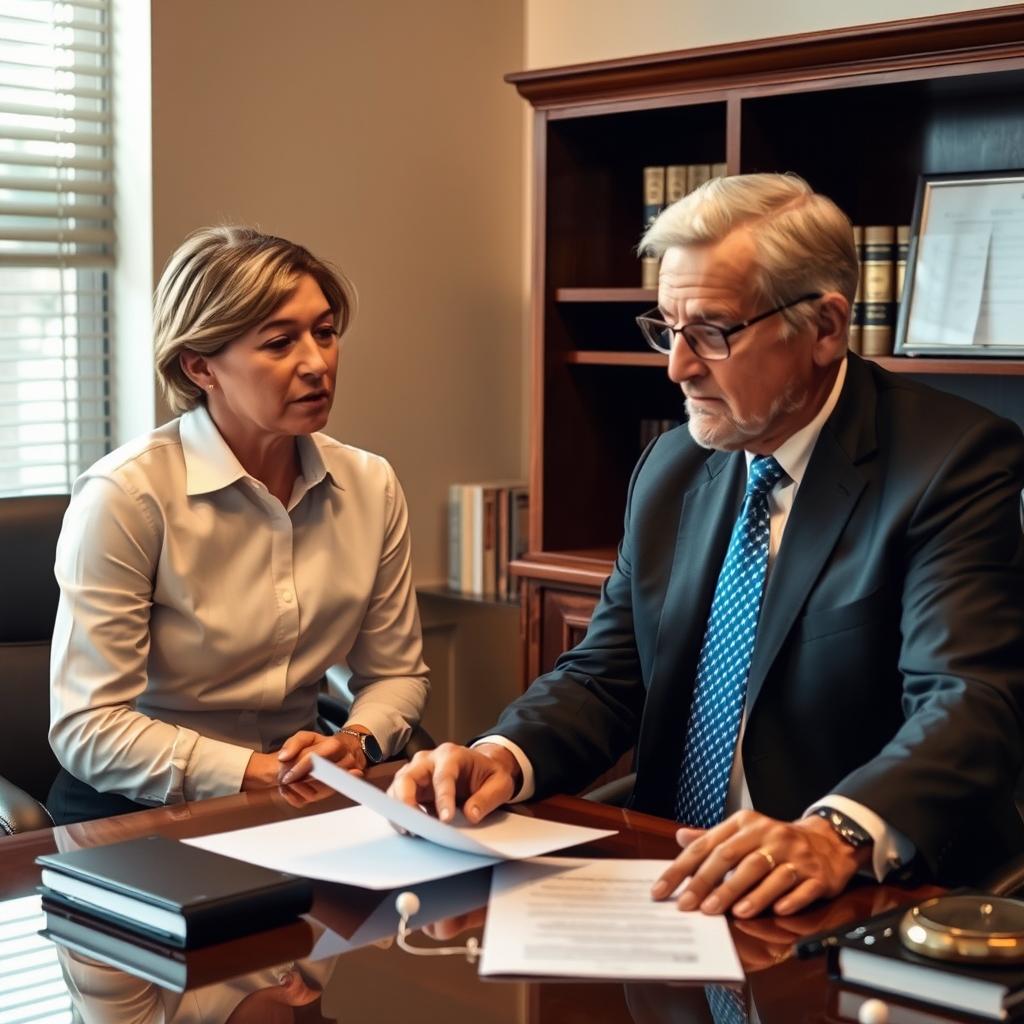
Theft Lawyer Washington DC
Imagine you’re stopped by a store’s loss-prevention officer in Georgetown or detained by police on a Metro platform after an accusation of theft. Within hours, you’re facing a criminal charge in Washington, D.C.—a city where local crimes are not prosecuted by a district attorney but by the United States Attorney’s Office. The process can feel overwhelming, but you don’t have to handle it alone. At Law Offices Of SRIS, P.C., our experienced criminal defense team represents individuals accused of theft in D.C. Superior Court. We understand how theft cases are built and prosecuted in this unique federal‑territory jurisdiction, and we work to protect your rights from the initial appearance through trial if needed. Call (888) 437‑7747 to request a confidential consultation. Law Offices Of SRIS, P.C. – Advocacy Without Borders.
What Theft Means Under D.C. Law
In the District of Columbia, theft offenses are codified in Title 22 of the D.C. Code and prosecuted by the U.S. Attorney’s Office for the District of Columbia (USAO‑DC)—not a local district attorney. The Metropolitan Police Department (MPD) handles arrests, and cases are heard in the Criminal Division of D.C. Superior Court at 500 Indiana Avenue NW. Because the District operates under a hybrid federal/local system, the prosecution’s approach can differ from what you might encounter in a neighboring state.
D.C. Distinguishes theft charges primarily by the value of the property allegedly taken. The more serious category, first‑degree theft, applies when the property is valued at $1,000 or above; it is a felony that can carry significant prison time. Second‑degree theft covers property worth less than $1,000 and is treated as a misdemeanor. The same value threshold separates petit larceny from grand larceny in shoplifting and other property‑taking scenarios. Additional theft‑related charges—such as identity theft, unauthorized use of a computer, or embezzlement—are also prosecuted under Title 22 and carry their own penalties.
Under D.C. Law, first‑degree theft (property valued at $1,000 or more) is a felony punishable by up to 10 years imprisonment; second‑degree theft is a misdemeanor punishable by up to 180 days.
Source: D.C. Code Title 22. D.C. Code Title 22
Reviewed by Mr. Sris, admitted in VA, MD, DC, NJ, NY.
Importantly, D.C. Does not use traditional cash bail. The Pretrial Services Agency (a federal agency) conducts risk assessments and recommends release conditions, meaning many defendants are released without posting money. Still, a theft charge can lead to lasting consequences—a conviction may result in incarceration, fines, restitution, and a criminal record that affects employment, housing, and professional licensing. Expungement (record sealing) may be available under D.C. Code § 16‑803 for certain offenses after waiting periods, making it critical to address the charge proactively.
How Mr. Sris and His Of Counsel Handle Theft Cases
When you work with Law Offices Of SRIS, P.C., your defense begins with a thorough review of the facts. Our team examines how the accusation arose, whether the property was properly valued, and if there are constitutional or procedural challenges—for example, an unlawful stop, an illegal search, or a flawed identification. Because the U.S. Attorney’s Office prosecutes D.C. Theft cases, negotiation options and diversion programs may be available depending on the circumstances. We explore whether the evidence supports a reduction to a lesser charge or a full dismissal.
D.C. Superior Court’s Criminal Division has a distinct rhythm, and our attorneys regularly appear there. We understand how the prosecutors handle property‑crime dockets and what alternatives the court may consider, such as first‑offender diversion or deferred‑disposition agreements. If a trial is necessary, we prepare rigorously—challenging the government’s evidence, cross‑examining witnesses, and presenting your defense. Throughout the process, we keep you informed about the status of your case and the realistic options available.
About Mr. Sris and His Of Counsel Team
Mr. Sris, Owner and Founder of Law Offices Of SRIS, P.C., is a former prosecutor who founded the firm in 1997. He is admitted in Virginia, Maryland, the District of Columbia, New Jersey, and New York. Mr. Sris testified before the Virginia House Courts of Justice Committee in support of 2019 HB 635 (chief patron Del. David Bulova). His background provides a practical understanding of how prosecution teams build theft cases and where defenses can be strongest.
Alongside Mr. Sris, the firm’s Of Counsel attorneys bring extensive combined legal experience to criminal defense matters. Together, they have documented case results in Washington, D.C., including favorable outcomes in theft cases. Results may vary. The team approaches every case with a commitment to thorough preparation and a focus on the best interests of the client.
Frequently Asked Questions
Who prosecutes a theft charge in Washington, D.C.?
Criminal theft cases in Washington, D.C. Are prosecuted by the United States Attorney’s Office for the District of Columbia, not a local county prosecutor. The U.S. Attorney’s Office handles all local crimes under the D.C. Code. MPD makes the arrest, the case is filed in D.C. Superior Court, and the prosecution proceeds under federal‑territory authority. This hybrid system means the prosecution often employs experienced federal‑trained attorneys.
What should I do if I am accused of theft in D.C.?
If you are accused of theft in Washington, D.C., assert your right to remain silent and ask to speak with an attorney as soon as possible. Do not discuss the incident with store security, police, or anyone other than your lawyer. Preserve any documents, receipts, or communications that might be relevant. Contact an experienced criminal defense attorney who regularly appears in D.C. Superior Court. The sooner counsel is involved, the more options may be available, including early negotiation with the U.S. Attorney’s Office.
Can a theft conviction be sealed in Washington, D.C.?
Yes, D.C. Allows record sealing (expungement) for many theft convictions if specific waiting periods have passed and all sentence conditions are completed. Eligibility depends on the offense type and whether the person has other qualifying convictions. Acquittals and dismissals are generally eligible for immediate sealing. An attorney can review your record and determine whether you meet the requirements under D.C. Code § 16‑803.
Does D.C. Have cash bail for theft charges?
No, Washington, D.C. Does not use cash bail. The Pretrial Services Agency, a federal agency, evaluates each defendant’s risk and recommends release conditions to the court. Most individuals accused of non‑violent theft are released on personal recognizance or with limited conditions while their case is pending. This system can affect how actively a case is pursued, and an attorney can advocate for the most favorable pretrial release terms.
Is petit larceny different from theft in D.C.?
Petit larceny is the D.C. Term for theft of property valued at less than $1,000 and is a misdemeanor. Theft of $1,000 or more is classified as first‑degree theft (a felony), while theft under $1,000 is petit larceny or second‑degree theft. The label can matter for sentencing, immigration consequences, and future record‑sealing eligibility. A lawyer can help you understand which category your charge falls into and what defenses may be available.
Do I really need a lawyer for a misdemeanor theft charge?
Even a misdemeanor theft conviction can create a criminal record that affects employment, housing, and professional licenses, so legal representation is important. An attorney can identify procedural errors, challenge the valuation of the property, negotiate with the prosecutor for a reduction or diversion, and, if appropriate, seek a dismissal or acquittal. Proceeding without counsel risks a conviction that could have been avoided.
For a full statutory breakdown of D.C. Theft offenses, see our comprehensive analysis at Law Offices Of SRIS, P.C..
Attorney advertising. Prior results do not guarantee a similar outcome.
Case results depend on a variety of factors unique to each case.