
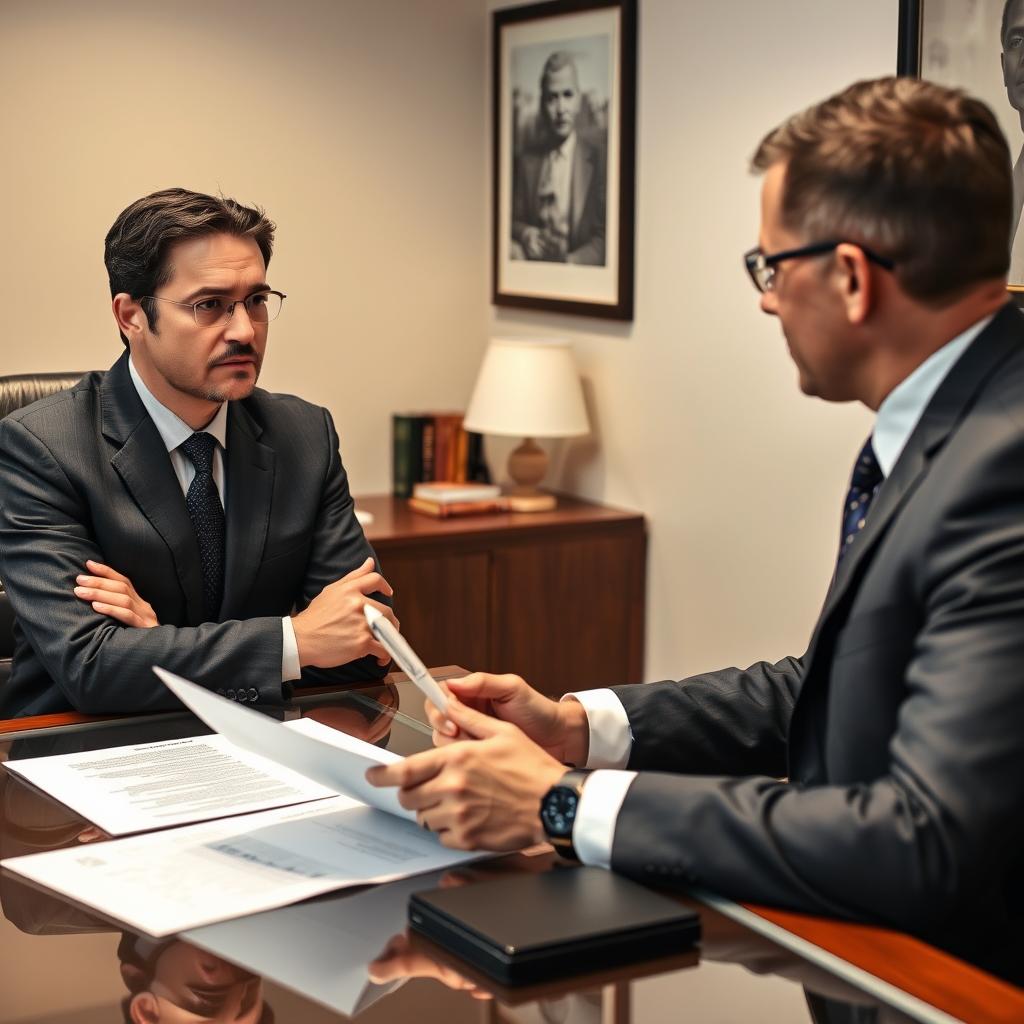
Theft Lawyer Columbia Heights, DC
Facing a theft accusation in Columbia Heights can be unsettling. Whether the charge involves shoplifting from a store on 14th Street, an allegation of embezzlement, or a claim that you took property belonging to another, a theft charge in the District of Columbia is serious. The U.S. Attorney’s Office for the District of Columbia prosecutes all criminal cases in the city, and the matter will be heard at the D.C. Superior Court, located at 500 Indiana Avenue NW. Law Offices Of SRIS, P.C. provides counsel to individuals in Columbia Heights and throughout Washington, D.C. Who are confronting theft charges. Mr. Sris, the firm’s Owner and Founder, and his Of Counsel team bring extensive combined legal experience. Results may vary. Reach Law Offices Of SRIS, P.C. at (888) 437-7747 to request a consultation. Law Offices Of SRIS, P.C. – Advocacy Without Borders.
What Theft Charges Mean in Columbia Heights
Under D.C. Code Title 22, theft encompasses a range of offenses—shoplifting, larceny, embezzlement, receiving stolen property, and theft of services. The statute classifies theft into two degrees based on the value of the property allegedly taken. Theft in the first degree is a felony and applies when the value of the property or services involved exceeds $1,000. Theft in the second degree is a misdemeanor and covers property valued at $1,000 or less. Because the classification turns on value, the same underlying conduct can result in vastly different consequences depending on how the government frames the charge.
Columbia Heights is a densely populated neighborhood with a busy commercial corridor along 14th Street, numerous retail establishments, and a diverse residential community. The Metropolitan Police Department’s Third District patrols the area, and arrests for theft-related offenses can stem from incidents at local businesses, disputes between acquaintances, or allegations involving digital transactions and services. Regardless of the circumstances, any person accused of theft must navigate a court system that operates under a unique federal-local hybrid. The U.S. Attorney’s Office prosecutes cases under the D.C. Code, and cases are heard at the D.C. Superior Court, which is easily accessible from Columbia Heights via the Metro’s Green Line.
How Mr. Sris and His Of Counsel Handle Theft Cases in the District of Columbia
Mr. Sris and his Of Counsel approach every theft case by first examining the government’s evidence and the specific facts of the alleged incident. The prosecution must prove each element of the offense beyond a reasonable doubt. Often the key issue is whether the accused had the intent to permanently deprive the owner of the property—a required element for most theft offenses. An experienced defense team scrutinizes witness statements, surveillance video, police reports, and any documentation that the prosecution intends to introduce.
The legal process typically begins with an arrest or a summons to appear in court, followed by an arraignment at the D.C. Superior Court. After that, the defense has an opportunity to review discovery and engage in discussions with the prosecutor. In some cases, diversion programs or deferred sentencing agreements may be a path to a resolution that avoids a conviction. If the case proceeds toward trial, Mr. Sris and his Of Counsel prepare a thorough defense, which may involve challenging the admissibility of evidence, cross-examining witnesses, and presenting a clear picture of the circumstances to the judge or jury. Because the firm has experience across multiple jurisdictions and is familiar with the procedures of the D.C. Superior Court, the defense team can develop strategies tailored to the local legal landscape.
About Mr. Sris and His Of Counsel Team
Mr. Sris, Owner and Founder of Law Offices Of SRIS, P.C., founded the firm in 1997. He is a former prosecutor and is admitted to practice in Virginia, Maryland, the District of Columbia, New Jersey, and New York. Mr. Sris testified before the Virginia House Courts of Justice Committee in support of 2019 HB 635 (chief patron Del. David Bulova). His experience includes handling criminal matters at both the trial and appellate levels. The firm’s Of Counsel attorneys—non-employee lawyers engaged through Excella—contribute substantial criminal defense experience from diverse backgrounds, including former prosecution roles and extensive trial practice.
When you work with Law Offices Of SRIS, P.C., you are not assigned to a single associate. Mr. Sris and his Of Counsel collaborate throughout the representation, drawing on their combined legal knowledge to address the charges you face. The firm’s approach is to keep the client informed, explain the procedural steps as they unfold, and advocate vigorously in court. The team serves clients from the Arlington, Virginia location, which is minutes from Columbia Heights and the D.C. Superior Court.
Frequently Asked Questions
Who prosecutes theft and other criminal cases in Washington, D.C.?
The United States Attorney’s Office for the District of Columbia (USAO-DC) prosecutes all criminal cases in Washington, D.C., including theft charges arising in Columbia Heights. Because the District of Columbia is a federal territory, local crime is prosecuted by federal prosecutors, not a local district attorney. Cases are heard at the D.C. Superior Court, located at 500 Indiana Avenue NW. The court handles both misdemeanor and felony matters, and defendants may be represented by retained counsel or by the Public Defender Service for the District of Columbia if they qualify financially.
Does the District of Columbia use cash bail?
No. The District of Columbia does not use a traditional cash bail system. Instead, the Pretrial Services Agency, a federal agency, conducts a risk assessment for each defendant and makes a release recommendation to the court. Most defendants are released pending trial under conditions that may include regular check-ins, travel restrictions, or drug testing. The court can order detention in certain cases, but the decision is not based on the ability to pay money; it is based on the assessed risk of flight or danger to the community.
What is the difference between first-degree and second-degree theft in D.C.?
Theft in the first degree is a felony that applies when the value of the stolen property or services exceeds $1,000; theft in the second degree is a misdemeanor for value of $1,000 or less. First-degree theft carries a potential penalty of up to ten years in prison, while second-degree theft carries up to 180 days in jail and a fine. The classification depends on the value alleged by the prosecution, which may be challenged by the defense. The same type of conduct—shoplifting, employee theft, or taking another’s property—can be charged as either a misdemeanor or a felony based on value.
Can I get a theft charge removed from my record in D.C.?
Yes, the District of Columbia permits record sealing for many theft-related dispositions under D.C. Code § 16-803. If your case ended in an acquittal, dismissal, or a not-guilty verdict, you may be eligible to petition for sealing immediately. For some convictions, a waiting period applies before you can seek sealing; the length of that period depends on the offense classification and other factors. Certain marijuana-related theft offenses may have expanded eligibility. An attorney can review your specific situation and advise whether you meet the statutory criteria for sealing.
What should I do if I’m arrested for theft in Columbia Heights?
If you are arrested for theft in Columbia Heights, you should remain silent, request to speak with an attorney, and avoid discussing the facts of the case with anyone except your lawyer. After an arrest, you will be taken to a D.C. Police station for processing, and you will be presented at the D.C. Superior Court, typically within 24 hours, for an initial appearance. At that hearing, the court will inform you of the charges and address the issue of pretrial release. Having legal representation promptly can help ensure that your interactions with law enforcement are appropriate and that your rights are protected from the earliest stage.
How does a defense lawyer challenge a theft accusation in the District of Columbia?
Adefense lawyer may challenge a theft accusation by scrutinizing the evidence, examining whether the prosecution can prove each element of the offense, and exploring procedural and constitutional issues. Common defense strategies include demonstrating that the defendant had no intent to permanently deprive the owner of the property (for example, in cases of disputed ownership or mistaken belief), challenging the reliability of witness identifications, or arguing that evidence was obtained in violation of the Fourth Amendment. In some situations, the defense may negotiate with the prosecutor for a reduction of the charge or for participation in a diversion program, allowing the accused to avoid a conviction altogether.
Washington, D.C. Criminal defense lawyer • Georgetown criminal lawyer • Spring Valley criminal lawyer • Cleveland Park criminal lawyer • Chevy Chase criminal lawyer
D.C. Code Title 22 – Criminal Offenses • D.C. Superior Court – Criminal Division • U.S. Attorney’s Office for the District of Columbia
Attorney advertising. Prior results do not guarantee a similar outcome.
Case results depend on a variety of factors unique to each case.