
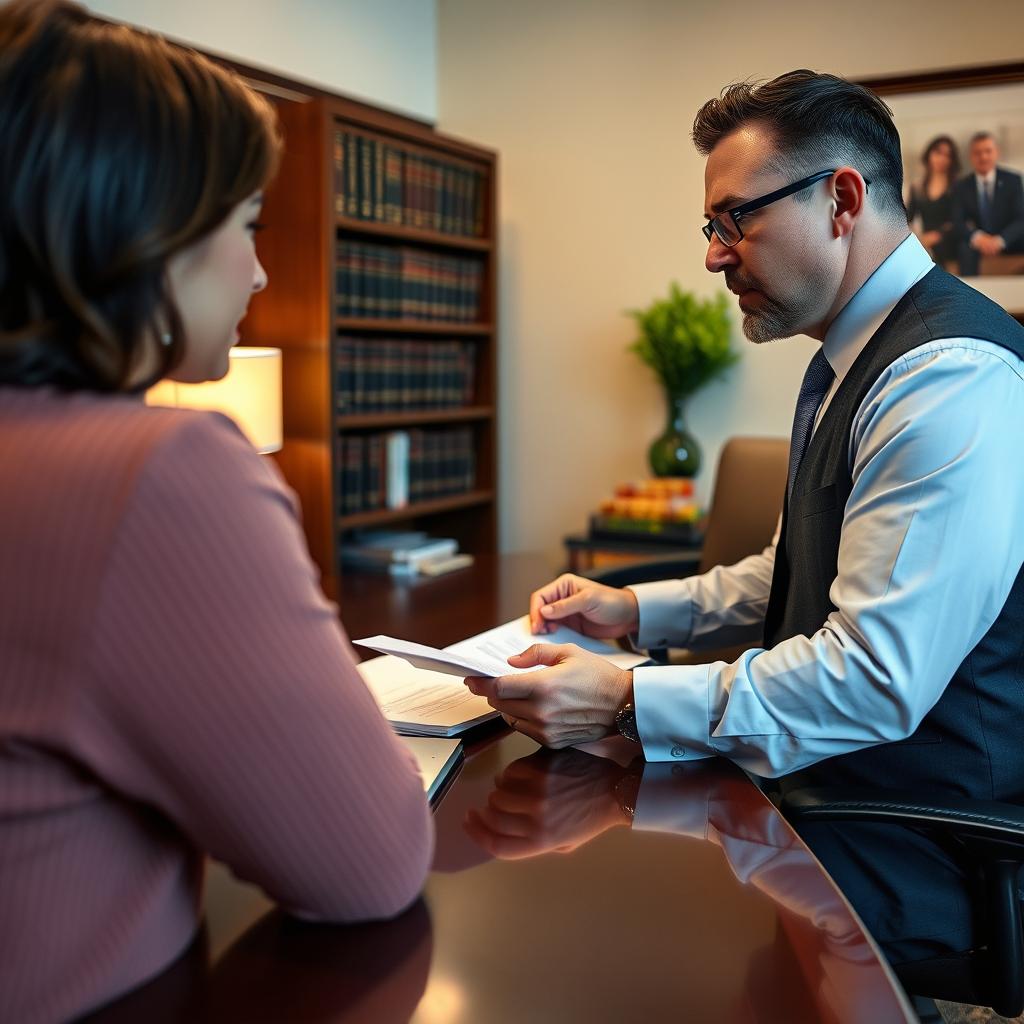
Theft Lawyer Cleveland Park, DC
If you are facing a theft charge in Cleveland Park, Washington, D.C., you are navigating a legal system that operates differently from those in neighboring Virginia or Maryland. The District of Columbia is a federal territory where local criminal offenses under the D.C. Code are prosecuted by the United States Attorney’s Office for the District of Columbia, not a local district attorney. Cases are heard at the D.C. Superior Court, Criminal Division, located at 500 Indiana Avenue NW, Washington, DC 20001. Theft charges can range from misdemeanor shoplifting to felony grand larceny, and a conviction can result in incarceration, fines, and a permanent criminal record. Mr. Sris and his Of Counsel team at Law Offices Of SRIS, P.C. represent individuals accused of theft in Cleveland Park and throughout the District. To discuss your matter, reach the firm at (888) 437-7747. Law Offices Of SRIS, P.C. – Advocacy Without Borders.
What Theft Means in Cleveland Park, DC
Cleveland Park, a historic residential neighborhood in Northwest Washington, D.C., is served by the D.C. Superior Court. Theft offenses are prosecuted under D.C. Code Title 22. The classification of a theft charge often turns on the value of the property allegedly taken. First‑degree theft is a felony carrying a maximum penalty of up to 10 years of incarceration; second‑degree theft, a misdemeanor, carries up to 180 days. The United States Attorney’s Office for the District of Columbia prosecutes these cases, and the court does not operate a traditional cash‑bail system. Instead, the Pretrial Services Agency, a federal agency, assesses a defendant’s risk and makes release‑condition recommendations.
The D.C. Superior Court’s Criminal Division handles everything from initial arraignment through trial. For a theft arrest in Cleveland Park, a defendant may be brought before a magistrate judge at the courthouse on Indiana Avenue, just a few miles from the firm’s Arlington location. The procedural landscape includes the possibility of pretrial diversion or deferred sentencing in appropriate cases. An attorney familiar with the local practices of the U.S. Attorney’s Office and the Superior Court bench can evaluate the strength of the prosecution’s evidence and explore every option to protect a client’s future.
How Mr. Sris and His Of Counsel Handle Theft Cases
The firm’s approach to theft defense in the District of Columbia begins with a thorough review of the charging document and the underlying facts. Because the U.S. Attorney’s Office prosecutes D.C. Code offenses, the case may present unique procedural angles that differ from state‑court prosecutions. Mr. Sris and his Of Counsel work to identify weaknesses in the evidence, challenges to the valuation of the property, and opportunities for negotiation or suppression. The team appears routinely at the D.C. Superior Court and understands the expectations of the judges and the prosecution.
Every theft matter is prepared as if it will go to trial, but the firm also explores resolution short of trial when it serves the client’s best interests. Depending on the circumstances, counsel may seek a dismissal, a reduction of charges from felony to misdemeanor, or participation in a diversion program. Because a theft conviction can have collateral consequences—including employment difficulties, professional licensing issues, and immigration repercussions for non‑citizens—the defense strategy is built with an eye toward minimizing long‑term harm.
About Mr. Sris and His Of Counsel Team
Mr. Sris, Owner and Founder of Law Offices Of SRIS, P.C., has practiced criminal defense since 1997. A former prosecutor, he is admitted in Virginia, Maryland, the District of Columbia, New Jersey, and New York. Mr. Sris testified before the Virginia House Courts of Justice Committee in support of 2019 HB 635 (chief patron Del. David Bulova). His Of Counsel team includes attorneys who are also admitted in the District of Columbia and who focus a substantial portion of their practice on criminal defense at the D.C. Superior Court.
The firm brings extensive combined legal experience between Mr. Sris and his Of Counsel. Their practice has produced documented case results across multiple states, and they strive to achieve favorable resolutions for those accused of theft and other offenses. Results may vary.
Frequently Asked Questions
What are the penalties for theft in Washington, D.C.?
Theft in D.C. Is divided into degrees based on the value of the property taken: first‑degree theft is a felony carrying a maximum of up to 10 years of incarceration, while second‑degree theft is a misdemeanor carrying up to 180 days. In addition to incarceration, a conviction can bring court‑imposed fines, restitution to the victim, and a permanent criminal record. The prosecution must prove all elements beyond a reasonable doubt. An experienced attorney can scrutinize the valuation methods used and challenge the charges when the evidence does not support the degree alleged.
Who prosecutes theft cases in Cleveland Park and the District of Columbia?
The United States Attorney’s Office for the District of Columbia prosecutes theft cases that arise in Cleveland Park and throughout D.C., not a local district attorney’s office. Because D.C. Is a federal territory, local criminal offenses under the D.C. Code are handled by federal prosecutors. Cases are tried in the Criminal Division of the D.C. Superior Court at 500 Indiana Avenue NW. The prosecutorial approach often differs from that of a typical state prosecutor, and a defense strategy must account for these institutional dynamics.
Does the District of Columbia use cash bail for theft charges?
No; the District of Columbia does not use traditional cash bail. Instead, the federal Pretrial Services Agency (PSA) assesses a defendant’s risk and recommends release conditions. Most individuals charged with theft are released without posting money, though the court may impose conditions such as supervised release, stay‑away orders, or periodic check‑ins. An attorney can advocate for the least restrictive conditions at the initial appearance.
Can I get a theft charge or conviction sealed in D.C.?
Yes, D.C. Law permits the sealing of certain theft‑related records under D.C. Code § 16‑803. Eligible dispositions include acquittals, dismissals, and some misdemeanor convictions after a waiting period. Felony theft convictions may not always qualify, but an attorney can evaluate your eligibility and assist with the petition process. Record sealing can remove the matter from public background checks, which is often critical for employment and housing.
What should I do if I am stopped or arrested for theft in Cleveland Park?
If you are stopped or arrested for theft in Cleveland Park, remain calm, do not argue with the police, and clearly state that you wish to speak with an attorney. Do not answer questions about the alleged incident, sign any documents, or consent to a search. Contact a qualified defense lawyer as soon as possible. Early intervention can make a significant difference in how your case is handled at the initial appearance and beyond.
How long does a theft case take in D.C. Superior Court?
The timeline for a theft case in D.C. Superior Court varies depending on whether the charge is a misdemeanor or a felony and on the complexity of the evidence. Misdemeanor cases may be resolved within a few months, while felony cases often take longer due to grand‑jury indictment and motion practice. An attorney can give you a realistic estimate once the specifics of your case are known.
Other Criminal Defense Pages Serving the District of Columbia
Criminal defense in Washington, D.C. |
Criminal lawyer in Georgetown |
Criminal lawyer in Spring Valley |
Criminal lawyer in Chevy Chase DC |
Criminal lawyer in American University Park
Primary D.C. Law Sources
D.C. Code Title 22 (Criminal Offenses) |
D.C. Superior Court |
Pretrial Services Agency
Attorney advertising. Prior results do not guarantee a similar outcome. Case results depend on a variety of factors unique to each case. Results may vary.