
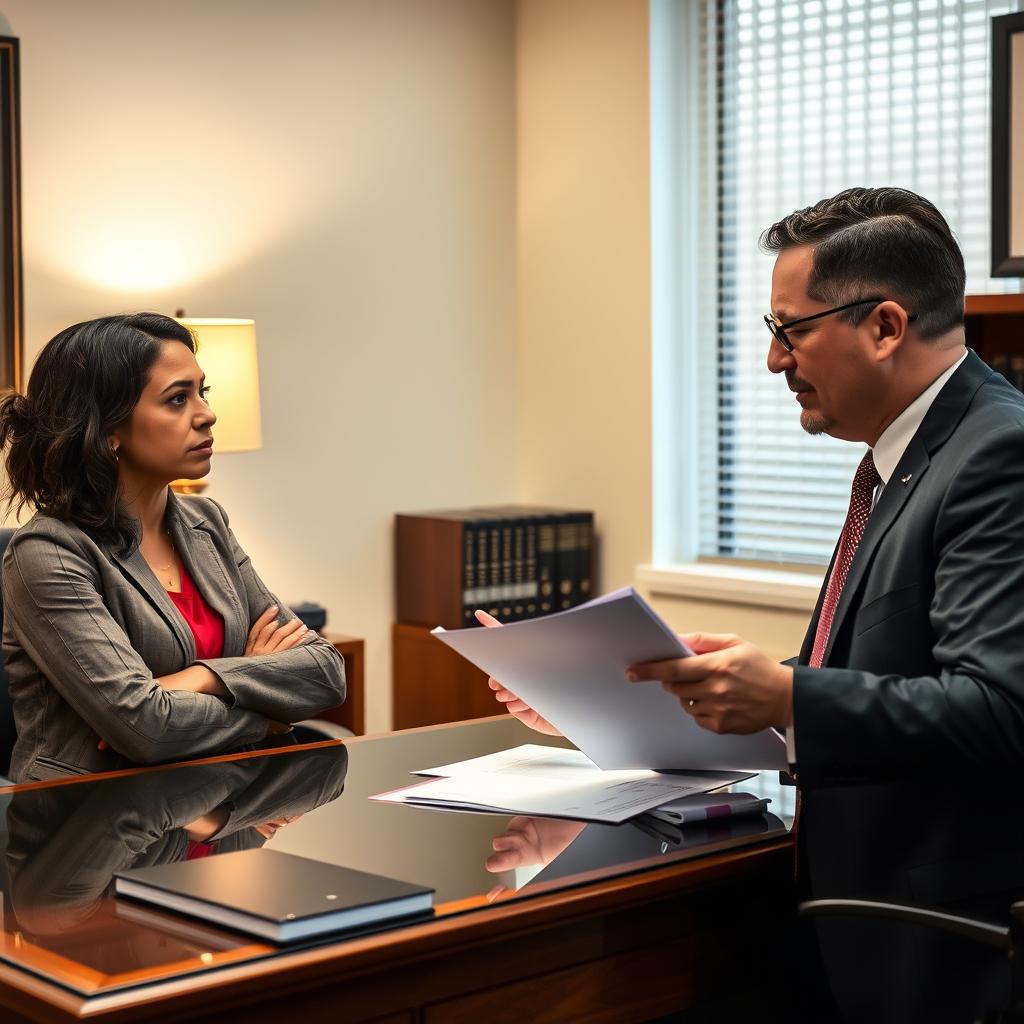
Robbery Lawyer Washington DC
You’ve been arrested and charged with robbery in Washington, D.C. The U.S. Attorney’s Office for the District of Columbia is prosecuting you under D.C. Code Title 22, and you are facing a felony that can carry a severe prison sentence. At Law Offices Of SRIS, P.C., Mr. Sris and his Of Counsel team have experience defending robbery cases in D.C. Superior Court. We understand how the local criminal division operates and how to build a defense strategy tailored to your situation. To discuss your case, call (888) 437-7747. Law Offices Of SRIS, P.C. – Advocacy Without Borders.
What a Robbery Charge Means in Washington, D.C.
Robbery in Washington, D.C., is prosecuted under D.C. Code § 22-2801 and related statutes. It is a felony offense that involves the taking of property from another person by force, threat of force, or intimidation. Unlike a simple theft, a robbery charge implies that violence or the fear of harm was part of the alleged incident. When a weapon is involved, the charge may be elevated to armed robbery, which carries even more severe potential consequences.
Because Washington, D.C., is a federal territory, criminal cases are not handled by a local district attorney. The United States Attorney’s Office for the District of Columbia prosecutes all D.C. Code offenses in D.C. Superior Court. The court is located at 500 Indiana Avenue NW, Washington, DC 20001. This unique jurisdictional structure means that prosecutors are federal attorneys, while the court operates under local rules. Additionally, the Pretrial Services Agency—a federal agency—handles release decisions rather than traditional cash bail. Understanding how the system works is critical when you are facing a robbery charge.
The firm serves clients throughout the District, including neighborhoods like Capitol Hill, Dupont Circle, Columbia Heights, Navy Yard, and Georgetown. Our Arlington location is just across the Potomac River, and we appear regularly before the judges of the D.C. Superior Court Criminal Division. Whether the alleged offense occurred near U Street, in Anacostia, or in Foggy Bottom, we work to protect your rights at every stage.
How Mr. Sris and His Of Counsel Defend Against Robbery Charges in D.C.
Every robbery case is built on the prosecution’s evidence. Law enforcement—often the Metropolitan Police Department—will gather witness statements, surveillance footage, physical evidence, and identification procedures. Our defense approach scrutinizes each piece of evidence. We examine whether the identification of the defendant was reliable, whether any statements were lawfully obtained, and whether the alleged use of force meets the legal definition of robbery under D.C. Law.
Mr. Sris and his Of Counsel team develop defense strategies that may include challenging the credibility of witnesses, presenting alibi evidence, or arguing that the incident does not rise to the level of robbery—for instance, that it was a misunderstanding or a property dispute rather than a forcible taking. In appropriate circumstances, we engage in negotiations with the U.S. Attorney’s Office to seek a reduction of charges or a favorable plea resolution. If trial is necessary, we are prepared to present a thorough defense before a judge or jury. Because the firm’s attorneys have experience both as prosecutors and as defense counsel, they understand how the government builds its case and can anticipate its moves.
Mr. Sris and his Of Counsel bring extensive combined legal experience to criminal defense. Results may vary.
What to Expect in a D.C. Robbery Case
After an arrest, you will appear before a judge in D.C. Superior Court, usually within 24 hours. At that initial appearance, the judge will inform you of the charges and address release conditions. Because D.C. Uses the Pretrial Services Agency instead of cash bail, the judge will rely on a risk assessment and may release you on personal recognizance, impose supervised release with conditions, or order detention if the government argues that you pose a danger or a flight risk.
For a felony robbery charge, the case will proceed to a preliminary hearing or a grand jury indictment. If the case is bound over for trial, the discovery process begins, and your defense attorney will receive the evidence the prosecution intends to use. Pre-trial motions—such as motions to suppress evidence or to challenge identification procedures—can significantly affect the case’s trajectory. The timeline from arrest to trial can vary considerably based on the complexity of the case, the court’s calendar, and the time needed for investigation and motion practice.
Throughout this process, Mr. Sris and his Of Counsel work to keep you informed and to protect your rights at each hearing. We appear at all court proceedings and communicate with you about the progress of your case.
Potential Penalties for Robbery in Washington, D.C.
Robbery is a felony offense under D.C. Code Title 22. The potential penalties are substantial and can include a lengthy term of imprisonment, substantial fines, and a permanent criminal record. If the robbery involved a dangerous weapon, the penalties can be even more severe, with the possibility of a mandatory minimum sentence. A conviction can also affect your ability to secure employment, housing, and professional licenses long after any sentence is completed.
Because of what is at stake, it is important to have an attorney who understands D.C. Criminal law and the local court system. Mr. Sris and his Of Counsel team evaluate every aspect of the prosecution’s case, looking for weaknesses in the evidence, procedural errors, and constitutional violations that could lead to a dismissal, reduction of charges, or acquittal. While no attorney can guarantee a particular result, the firm’s history includes favorable outcomes in D.C. Superior Court, including a dismissal in a criminal matter. Results may vary.
About Mr. Sris and His Of Counsel Team
Mr. Sris, Owner and Founder of Law Offices Of SRIS, P.C., has been practicing since 1997. He is a former prosecutor who understands how the government builds criminal cases. He is admitted in Virginia, Maryland, the District of Columbia, New Jersey, and New York. His experience extends to serious felony defense, including robbery, assault, and weapons offenses. He testified before the Virginia House Courts of Justice Committee in support of 2019 HB 635 (chief patron Del. David Bulova).
Mr. Sris is joined by a dedicated team of Of Counsel attorneys who handle criminal defense matters. Each Of Counsel brings individual experience that strengthens the firm’s ability to serve clients. In D.C. Robbery cases, the firm’s combined knowledge of the D.C. Superior Court Criminal Division, the practices of the U.S. Attorney’s Office, and the Pretrial Services Agency release process gives you a well‑rounded defense team. To speak with us about your case, call (888) 437-7747.
Frequently Asked Questions
Who prosecutes robbery cases in Washington, D.C.?
Criminal cases in D.C., including robbery, are prosecuted by the United States Attorney’s Office for the District of Columbia (USAO‑DC). Because D.C. Is a federal territory, federal prosecutors handle D.C. Code crimes, not a local district attorney. All robbery cases are heard at D.C. Superior Court, located at 500 Indiana Avenue NW, Washington, DC 20001. This structure means that the prosecution brings federal resources to bear, but the case is tried under local law. Understanding the dynamics of the USAO‑DC is an important part of building a defense.
Does D.C. Have cash bail for robbery charges?
No. D.C. Does not use a traditional cash bail system. Instead, the Pretrial Services Agency—a federal agency—conducts a risk assessment and makes a release recommendation to the judge. Most defendants are released without posting money, although the judge may impose conditions such as check‑ins, drug testing, or GPS monitoring. In serious felony cases like robbery, the government may argue for pretrial detention. Having an attorney present at the initial appearance is critical to present your side of the release argument.
Can a robbery conviction be sealed in D.C.?
Record sealing in D.C. Is available for certain offenses and outcomes, but eligibility depends on the specific charge and the disposition of your case. Under D.C. Code § 16‑803, acquittals, dismissals, and some qualifying convictions may be sealed after waiting periods. Robbery is a serious felony, so sealing eligibility for a conviction can be limited and may require a longer waiting period. An attorney can evaluate whether your record qualifies and guide you through the petition process in D.C. Superior Court.
How long does a robbery case take in D.C.?
The timeline for a robbery case in D.C. Superior Court can vary significantly. Misdemeanor cases often resolve within a few months, but felony robbery cases—especially those involving indictment—can take many months to over a year, depending on the complexity of the evidence, the number of pre‑trial motions, and the court’s schedule. The Speedy Trial Act and local court rules provide some framework, but each case is unique. Your attorney can give you a better estimate after reviewing the specifics of your case.
What should I do if I’m arrested for robbery in D.C.?
If you are arrested for robbery, exercise your right to remain silent and ask for an attorney immediately. Do not discuss the facts of the case with law enforcement without your lawyer present, and do not make statements to family, friends, or on social media. Anything you say can be used against you. Contact an experienced criminal defense lawyer as soon as possible to protect your rights and begin building your defense. Preserve any evidence you may have, such as receipts, location data, or contact information for witnesses, and provide it to your attorney.
Why should I hire a robbery lawyer in Washington, D.C.?
A robbery conviction can result in a lengthy prison sentence, substantial fines, and a permanent criminal record that affects your future. The D.C. Criminal justice system has unique procedures—from federal prosecution to Pretrial Services Agency release decisions—that require a lawyer familiar with the local courts. An attorney can investigate the case, challenge the prosecution’s evidence, negotiate with the U.S. Attorney’s Office, and represent you at trial if necessary. Having skilled legal representation is critical to protecting your rights.
For guidance on your specific situation, reach Law Offices Of SRIS, P.C. at (888) 437-7747.
Related pages:
Criminal Lawyer Georgetown DC |
Criminal Lawyer Spring Valley DC |
Criminal Lawyer Cleveland Park DC
D.C. Legal resources:
D.C. Code Title 22 (Criminal Offenses) |
D.C. Superior Court |
U.S. Attorney’s Office for the District of Columbia
Attorney advertising. Prior results do not guarantee a similar outcome.
Results may vary. Case results depend on a variety of factors unique to each case.