
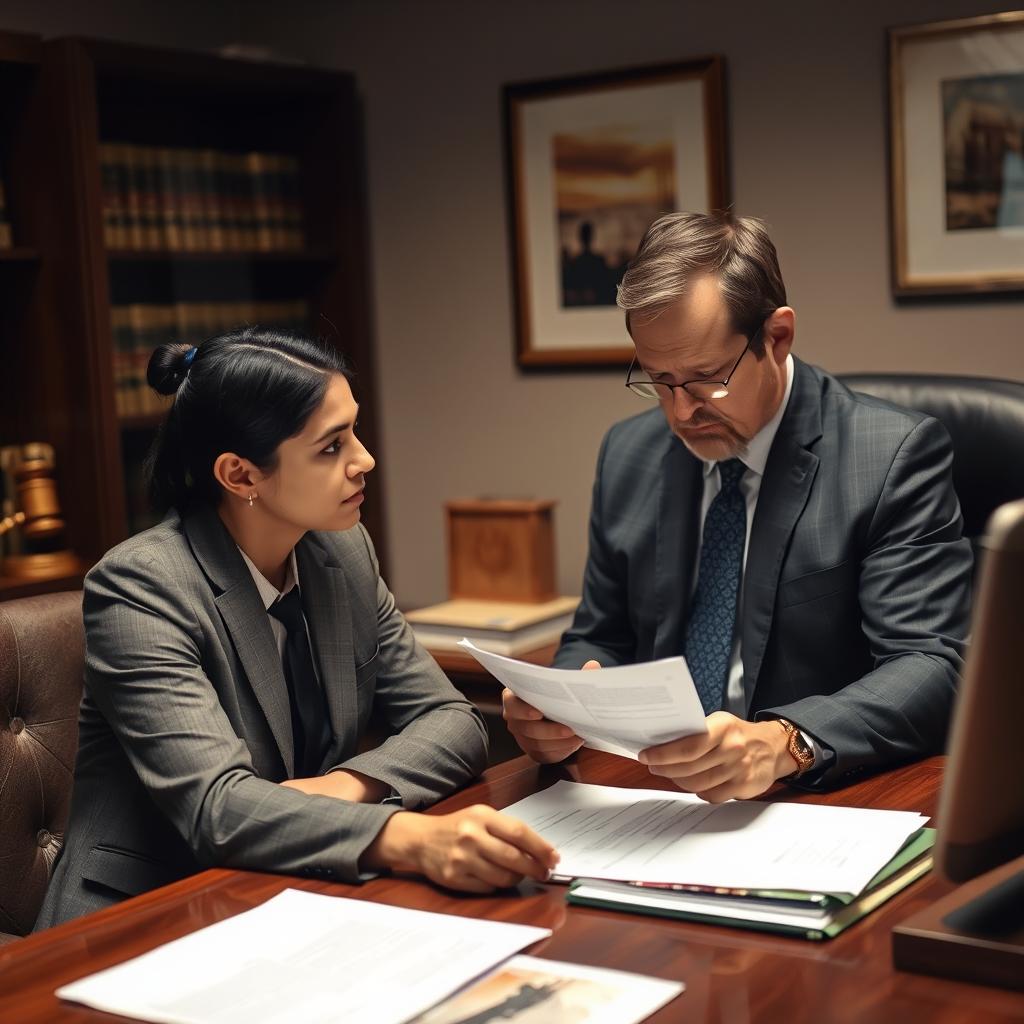
Resisting Arrest Lawyer Columbia Heights, DC
An arrest encounter in the Columbia Heights neighborhood of Washington, D.C. Carries distinct legal dimensions. The District of Columbia operates under a unique federal-local hybrid system: local criminal offenses, including resisting arrest, are prosecuted not by a district attorney but by the United States Attorney’s Office for the District of Columbia. Cases are heard at the DC Superior Court, located at 500 Indiana Avenue NW, within reach of the Judiciary Square Metro station. A charge of resisting arrest under D.C. Code Title 22 can introduce complications that extend beyond the immediate encounter—potential incarceration, fines, and a criminal record that may affect employment, housing, and immigration status. Law Offices Of SRIS, P.C. represents clients facing resisting arrest allegations in Columbia Heights and throughout the District. Mr. Sris, a former prosecutor, and his Of Counsel bring experienced criminal defense representation to these matters. To discuss a resisting arrest charge, reach Law Offices Of SRIS, P.C. at (888) 437-7747. Law Offices Of SRIS, P.C. – Advocacy Without Borders.
What Resisting Arrest Means in Columbia Heights, DC
Resisting arrest in the District of Columbia is governed by D.C. Code Title 22, which addresses criminal offenses and penalties within the District. The charge generally arises when an individual is alleged to have opposed, impeded, or interfered with a law enforcement officer engaged in the lawful performance of official duties. This can encompass a range of conduct—from physical resistance to verbal noncompliance that an officer interprets as obstruction. Columbia Heights, bordered by Mount Pleasant, Petworth, and the 14th Street corridor, falls within the jurisdiction of the Metropolitan Police Department. Arrests made in the neighborhood proceed through the DC Superior Court Criminal Division, where the United States Attorney’s Office for DC prosecutes the case.
The District’s approach to pretrial release differs from many jurisdictions. DC does not use a traditional cash bail system. Instead, the Pretrial Services Agency, a federal entity, conducts a risk assessment after arrest and makes a release recommendation to the court. Most individuals charged with nonviolent offenses, including resisting arrest in many instances, are released pretrial without posting money. However, a resisting arrest charge can still carry meaningful consequences. A conviction may result in jail time, fines, and a permanent entry on a criminal record. The DC Superior Court also has authority to impose conditions such as stay-away orders or supervised release during the pendency of the case.
Resisting arrest allegations in the District often intersect with other charges. An encounter that begins with a stop for an alleged traffic violation or a public-order concern in the Columbia Heights area can escalate into multiple charges if the officer asserts that the individual failed to comply. Because the US Attorney’s Office prosecutes both the underlying charge and the resisting arrest allegation, the combined exposure can be significant. Experienced defense counsel evaluates the arrest circumstances, the officer’s basis for the initial stop, and whether the conduct described meets the statutory elements of resisting arrest under District law.
Counsel appearing on criminal matters at the District of Columbia.
How Mr. Sris and His Of Counsel Handle Resisting Arrest Cases
Mr. Sris, a former prosecutor, founded Law Offices Of SRIS, P.C. in 1997. His experience on the prosecution side informs the defense strategy he and his Of Counsel develop for clients facing resisting arrest charges in the District. The team examines the prosecution’s case from the perspective of how it was built—scrutinizing the arrest report, the stated basis for the initial stop, and whether the officer’s account supports each element of the resisting arrest statute. Because the US Attorney’s Office prosecutes these cases, defense counsel must be prepared to engage with federal prosecutors who handle local DC Code violations.
The defense approach begins with a thorough review of the circumstances of the arrest. Key questions include whether the officer was engaged in a lawful official duty at the time of the alleged resistance, whether the conduct attributed to the accused meets the legal definition of resistance or obstruction, and whether any constitutional issues arise from the stop or detention. In some cases, video evidence—from body-worn cameras, surveillance footage, or cell phone recordings—provides a basis to challenge the officer’s narrative. Mr. Sris and his Of Counsel also assess whether procedural or evidentiary issues exist that may support dismissal or reduction of the charge.
Columbia Heights cases proceed through the DC Superior Court Criminal Division. The court’s calendar and case-management procedures shape the timeline. Misdemeanor resisting arrest charges typically move faster than felony matters, but each case follows a path determined by the specific facts, the prosecution’s posture, and any pretrial motions filed by defense counsel. Mr. Sris and his Of Counsel appear at all stages—from arraignment through any evidentiary hearings and, if necessary, trial. Throughout the process, the objective is to work toward a favorable resolution while protecting the client’s rights and interests.
About Mr. Sris and His Of Counsel Team
Mr. Sris is Owner and Founder of Law Offices Of SRIS, P.C. A former prosecutor, he has practiced criminal defense since founding the firm in 1997. He is admitted to the bars of Virginia, Maryland, the District of Columbia, New Jersey, and New York—a five-jurisdiction practice that gives the firm broad geographic reach. Mr. Sris testified before the Virginia House Courts of Justice Committee in support of 2019 HB 635 (chief patron Del. David Bulova). His background in both prosecution and defense provides a comprehensive view of the criminal justice process, from investigation through trial.
Mr. Sris is joined by his Of Counsel, attorneys with significant criminal defense experience. Their collective background includes extensive trial work challenging evidence, cross-examining witnesses, and negotiating with prosecutors. For DC criminal matters, the team is familiar with the procedures and practices of the DC Superior Court Criminal Division and with the approach taken by the United States Attorney’s Office for DC in prosecuting local offenses. Mr. Sris and his Of Counsel work collaboratively on each matter, drawing on their respective strengths to build a thorough defense. Reach Law Offices Of SRIS, P.C. at (888) 437-7747 to discuss a resisting arrest charge in Columbia Heights or elsewhere in the District.
Frequently Asked Questions
What is the legal definition of resisting arrest in Washington, D.C.?
Resisting arrest in DC generally means opposing, impeding, or interfering with a law enforcement officer engaged in lawful official duties. The offense is set out in D.C. Code Title 22 and can be charged as a misdemeanor or, in certain aggravated circumstances, as a felony. The prosecution must establish that the officer was acting lawfully at the time of the alleged resistance and that the accused acted knowingly. Physical force is not always an element; verbal obstruction or flight can, in some cases, support the charge. Because the legal standard depends on the specific facts, an experienced defense attorney evaluates whether the officer’s account and the available evidence actually meet the statute’s requirements.
Do I need a lawyer for a resisting arrest charge in Columbia Heights?
Yes, retaining a lawyer for a resisting arrest charge in the District is advisable because a conviction can carry jail time, fines, and a criminal record. Even if the charge seems minor, a conviction can affect employment opportunities, professional licenses, and immigration status. The US Attorney’s Office prosecutes these cases with experienced federal prosecutors, and navigating the DC Superior Court without counsel presents risks. An attorney can evaluate the arrest circumstances, identify possible defenses, and negotiate with the prosecution. For a consultation about a resisting arrest matter in Columbia Heights, reach Law Offices Of SRIS, P.C. at (888) 437-7747.
Who prosecutes resisting arrest cases in Washington, D.C.?
Resisting arrest cases in DC are prosecuted by the United States Attorney’s Office for the District of Columbia, not by a local district attorney. This reflects DC’s unique status as a federal district where local criminal offenses under the D.C. Code are prosecuted by federal prosecutors. Cases are adjudicated at the DC Superior Court, located at 500 Indiana Avenue NW. The US Attorney’s Office has significant resources and experience, making capable defense representation important. Additionally, DC does not use a cash bail system; instead, the Pretrial Services Agency assesses risk and makes a release recommendation.
What are the potential penalties for resisting arrest in DC?
Penalties for resisting arrest in the District of Columbia depend on whether the charge is prosecuted as a misdemeanor or felony. A misdemeanor conviction may result in up to 180 days of incarceration and fines. If the alleged resistance involved force against an officer or other aggravating factors, the charge may be elevated to a felony, which carries more substantial penalties, including longer incarceration and larger fines. The specific sentence in any case is determined by the DC Superior Court based on the facts, the defendant’s history, and applicable sentencing guidelines. For guidance on the potential exposure in a specific matter, contact Law Offices Of SRIS, P.C. at (888) 437-7747.
How does the DC Superior Court handle resisting arrest cases?
Resisting arrest cases in the District are heard in the Criminal Division of the DC Superior Court, a unified trial court located at 500 Indiana Avenue NW. After arrest, the defendant appears for an arraignment where the charges are formally presented. The Pretrial Services Agency conducts a risk assessment and recommends release conditions to the court—DC does not apply a cash bail system for most offenses. The case then proceeds through pretrial motions, possible plea negotiations with the US Attorney’s Office, and, if no resolution is reached, trial. The timeline varies depending on the complexity of the case and the court’s calendar.
Can a resisting arrest charge be dismissed or reduced?
A resisting arrest charge in DC may be dismissed or reduced depending on the facts of the case and the strength of the available evidence. If the defense can establish that the officer was not engaged in a lawful duty at the time of the alleged resistance, that the conduct attributed to the accused does not meet the statutory definition, or that constitutional violations occurred during the stop or arrest, the charge may be subject to challenge. The prosecution may also agree to reduce the charge as part of a negotiated resolution. Each case turns on its specific circumstances. To discuss the details of your matter, contact Law Offices Of SRIS, P.C. at (888) 437-7747.
Related Practice Areas:
Criminal Defense Lawyer Washington, D.C. |
Criminal Defense Lawyer Georgetown |
Criminal Defense Lawyer Spring Valley |
Criminal Defense Lawyer Cleveland Park |
Criminal Defense Lawyer Chevy Chase
Official Resources:
DC Superior Court |
D.C. Code (Council of the District of Columbia) |
Pretrial Services Agency for DC
Attorney advertising. Prior results do not guarantee a similar outcome. Case results depend on a variety of factors unique to each case. Results may vary.