
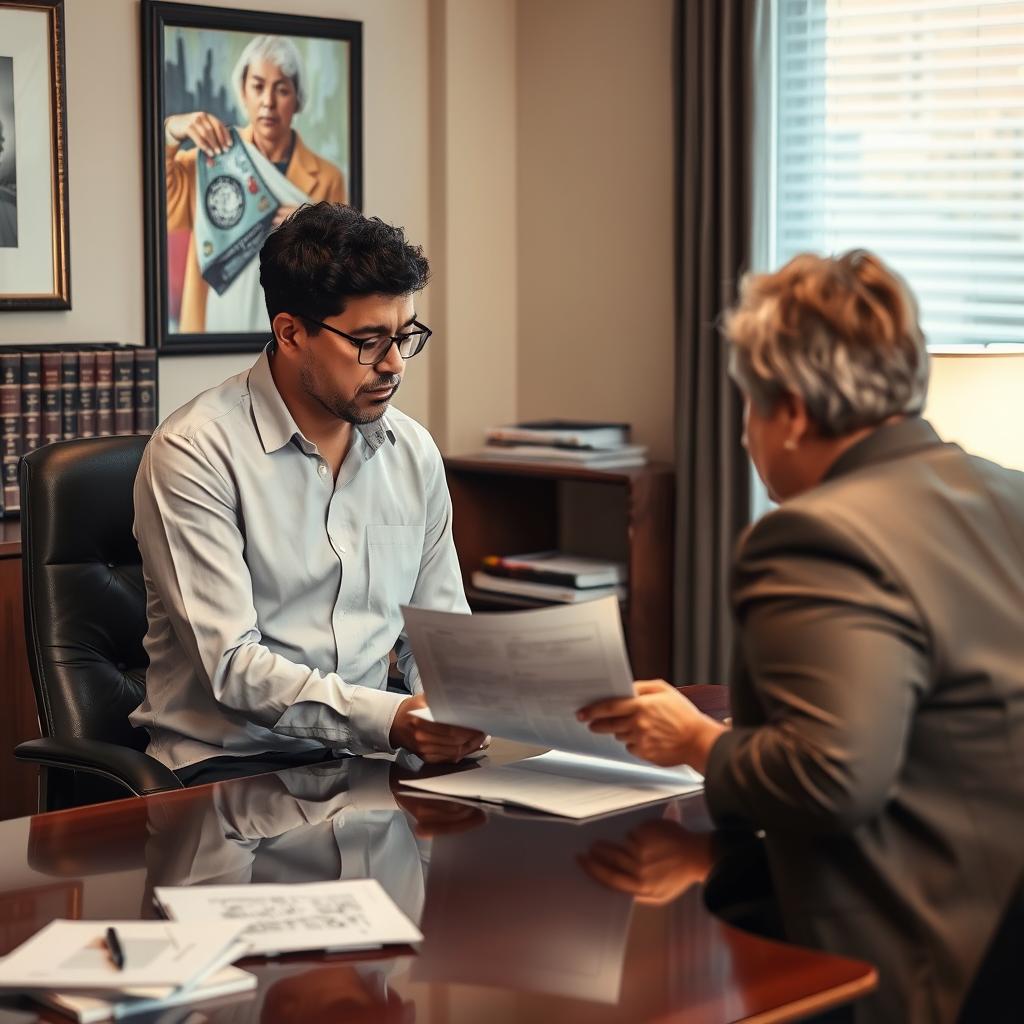
Graffiti Defense Lawyer Georgetown, DC
Facing a graffiti charge in the Georgetown area of Washington, D.C., can feel unsettling. The District’s criminal justice system operates differently from neighboring states—cases are prosecuted by the United States Attorney’s Office for D.C., not a local district attorney, and proceedings take place at the D.C. Superior Court at 500 Indiana Avenue NW. A graffiti accusation, often charged as destruction of property, carries serious consequences, including a criminal record, court-ordered restitution, and potential incarceration. Law Offices Of SRIS, P.C. provides defense representation to individuals in Georgetown who need an advocate familiar with the local court system. Mr. Sris, a former prosecutor, and his Of Counsel bring extensive combined legal experience to each case. Reach our firm at (888) 437-7747 to request a consultation. Law Offices Of SRIS, P.C. – Advocacy Without Borders.
What Graffiti Defense Means in Georgetown, DC
Graffiti-related charges in the District of Columbia generally fall under D.C. Code provisions dealing with destruction of property or vandalism. The prosecution must prove that the accused intentionally damaged someone else’s property without authorization. Georgetown, with its historic architecture, commercial corridors along M Street and Wisconsin Avenue, and university campus, sees a range of property offense allegations. The D.C. Superior Court—Criminal Division hears these matters, located just a few miles from the firm’s Arlington location. The United States Attorney’s Office for D.C. Is responsible for bringing charges, and the Pretrial Services Agency, a federal agency, assesses each defendant’s release conditions rather than relying on a cash-bail model.
The consequences of a graffiti conviction can extend beyond the courtroom. A criminal record may affect employment, housing, and professional licensing. The court can impose restitution to cover cleanup or repair costs, fines, community service, and, in some cases, jail time. For young adults, a conviction may also complicate educational opportunities. Understanding the local procedural landscape—such as the speedy-trial framework and the availability of deferred-sentencing or diversion programs—is crucial. Mr. Sris and his Of Counsel are familiar with how the D.C. Superior Court handles graffiti cases and how to build a defense strategy tailored to the specific facts of each allegation.
How Mr. Sris and His Of Counsel Handle Graffiti Cases
When Law Offices Of SRIS, P.C. takes on a graffiti defense matter, the focus is on protecting the client’s rights from the earliest stage. The process begins with a thorough review of the prosecution’s evidence—photographs, witness statements, any surveillance footage, and the police report—to identify weaknesses in the case. The firm examines whether the identification of the accused is reliable, whether there is proof of intent to damage, and whether the value of the alleged damage is accurately stated. Because D.C. Courts operate without cash bail, release conditions are typically based on a risk assessment conducted by the Pretrial Services Agency; defense counsel can present information to support the least restrictive conditions.
If the evidence allows, the firm negotiates with prosecutors at the United States Attorney’s Office to seek a reduction or dismissal of the charges. In appropriate situations, diversion programs or deferred resolution agreements may be available, allowing the accused to avoid a conviction by completing certain conditions. If trial becomes necessary, Mr. Sris and his Of Counsel prepare a vigorous defense, challenging every element the prosecution must prove beyond a reasonable doubt. Throughout the process, the firm works to achieve a favorable outcome while keeping the client informed of each development. Every case is unique, and the specific approach depends on the facts and the client’s individual circumstances.
About Mr. Sris and His Of Counsel Team
Mr. Sris, Owner and Founder of Law Offices Of SRIS, P.C., is a former prosecutor who has been practicing law since 1997. He testified before the Virginia House Courts of Justice Committee in support of 2019 HB 635 (chief patron Del. David Bulova). His experience on both sides of the courtroom gives him valuable insight into how the prosecution builds its case. Mr. Sris is admitted in Virginia, Maryland, the District of Columbia, New Jersey, and New York.
Mr. Sris and his Of Counsel bring extensive combined legal experience to graffiti defense and other criminal matters in the Georgetown area. The team approaches each case with careful preparation and a commitment to protecting the client’s future. Results may vary. in any particular matter. The firm handles cases at the D.C. Superior Court and other courts across its five-state practice area.
Frequently Asked Questions About Graffiti Defense in Georgetown, DC
Who prosecutes a graffiti charge in Washington, D.C.?
Graffiti charges in the District of Columbia are prosecuted by the United States Attorney’s Office for the District of Columbia (USAO-DC), not a local district attorney. The District is a federal territory, and federal prosecutors handle violations of the D.C. Code. Cases are heard at the D.C. Superior Court. Because the prosecution is federal, the procedural dynamic can differ from state courts in Virginia or Maryland. Having an attorney who is admitted to practice in D.C. And familiar with USAO-DC procedures is important when facing these charges. For further information specific to your situation, reach Law Offices Of SRIS, P.C. at (888) 437-7747.
Does DC have cash bail for graffiti charges?
No, the District of Columbia does not use a cash bail system for most offenses, including graffiti-related charges. Instead, the Pretrial Services Agency (PSA) conducts a risk assessment using factors such as community ties, employment, criminal history, and the nature of the charge. Based on that assessment, the PSA recommends release conditions—which may range from personal recognizance to supervised release with restrictions. Most defendants are released without posting money. Defense counsel can advocate for the least restrictive conditions during the presentment hearing.
Can a graffiti-related criminal record be sealed in DC?
Yes, under certain circumstances, a graffiti conviction or arrest record may be eligible for sealing in the District of Columbia. D.C. Code § 16-803 allows for record sealing of eligible cases after specified waiting periods. Generally, an arrest that did not result in a conviction may be sealed immediately; a conviction may be sealed after a waiting period if the person has no disqualifying new convictions. The process involves filing a motion with the D.C. Superior Court. An attorney can evaluate whether your specific graffiti case qualifies and guide you through the sealing procedure.
What are the potential consequences of a graffiti conviction in DC?
The penalties for a graffiti conviction in Washington, D.C., can include restitution to the property owner for cleanup or repair costs, fines, community service, and in some cases incarceration. The specific sentence depends on the value of the damage, whether the offense is charged as a misdemeanor or felony, and the defendant’s prior record. A conviction also creates a criminal record that can affect future employment, housing, and education opportunities. Because the consequences can be significant, early involvement of defense counsel is advisable. To discuss the details of your matter, contact Law Offices Of SRIS, P.C. at (888) 437-7747.
Do I really need a lawyer for a graffiti charge in Georgetown?
While you are not legally required to hire a lawyer, having experienced defense counsel can significantly affect the outcome of a graffiti case in the D.C. Superior Court. The United States Attorney’s Office prosecutes these matters actively, and the procedural rules can be complex. An attorney can evaluate the evidence, identify defenses such as lack of intent or improper identification, negotiate with the prosecutor, and advise you on whether to accept a plea offer or proceed to trial. Representing yourself means navigating a system designed for trained lawyers—a risk most people should not take alone. For a consultation, reach Mr. Sris and his Of Counsel at (888) 437-7747.
What should I expect when I go to D.C. Superior Court for a graffiti case?
When your graffiti case is called at the D.C. Superior Court, located at 500 Indiana Avenue NW, you will appear before a judge in the Criminal Division. The first hearing is typically an arraignment or a presentment if you were arrested. The judge will advise you of the charges, and if you do not have an attorney, the court may appoint the Public Defender Service for D.C. Or give you time to hire private counsel. The judge will also address release conditions based on the PSA report. Subsequent hearings may involve status conferences, pretrial motions, and, if necessary, a trial. Understanding the court’s rhythm and the expectations of the judges can make the experience less intimidating.
Related Criminal Defense Pages:
Washington, D.C. Criminal Lawyer |
Spring Valley Criminal Lawyer |
Cleveland Park Criminal Lawyer |
Chevy Chase Criminal Lawyer |
American University Park Criminal Lawyer
Attorney advertising. Prior results do not guarantee a similar outcome. Results may vary.
Case results depend on a variety of factors unique to each case.