
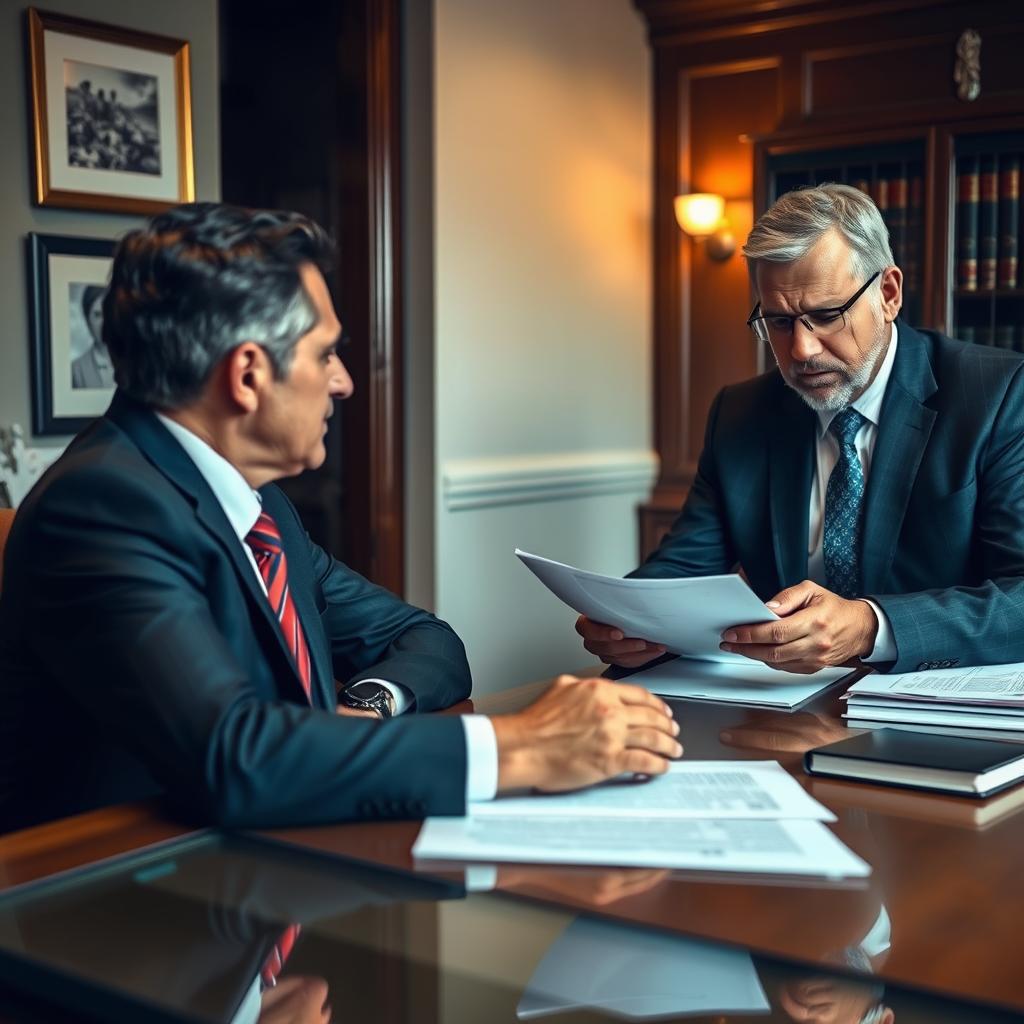
Graffiti Defense Lawyer Dupont Circle, DC
A graffiti charge in Dupont Circle, Washington, D.C., can affect your record, employment, and educational opportunities. Unlike most American cities, criminal cases in the District of Columbia are prosecuted by the United States Attorney’s Office for the District of Columbia (USAO‑DC) rather than a locally elected district attorney. This federal‑local hybrid structure means a graffiti offense moves through a system shaped by both D.C. Code provisions and federal prosecutorial norms. The case will be heard at D.C. Superior Court, 500 Indiana Avenue NW, just a few blocks from the Dupont Circle neighborhood. Law Offices Of SRIS, P.C. represents people facing graffiti charges throughout the Dupont Circle area. Mr. Sris and his Of Counsel have experience in D.C. Criminal defense and can evaluate the government’s evidence, challenge unreliable identifications, and pursue resolutions that minimize the long‑term impact of a charge. Reach our Arlington location—which serves D.C. Clients—at (888) 437‑7747 to schedule a consultation.
What Graffiti Defense Means in Dupont Circle
Graffiti offenses in Washington, D.C., are generally prosecuted under property‑damage statutes contained in D.C. Code Title 22. Depending on the extent of the damage, the government may charge the act as a misdemeanor or a felony. Because the USAO‑DC handles the prosecution, the charging decision may reflect federal charging priorities as well as local community standards. The case will proceed in the Criminal Division of D.C. Superior Court, a unified court with misdemeanor and felony jurisdiction.
Dupont Circle is a dense, historic neighborhood with a mix of residential buildings, embassies, outdoor murals, and commercial storefronts. An allegation of graffiti—whether described as vandalism, tagging, or unauthorized street art—can arise from a complaint by a property owner, a business proprietor, or a Metropolitan Police Department officer. The presence of security cameras, neighborhood cameras, and heavy foot traffic often produces video or eyewitness evidence, but that same density can also create identification‑reliability questions that an experienced defense attorney can examine. The court calendar is managed by the D.C. Superior Court, and release conditions are set not by cash bail but through the D.C. Pretrial Services Agency, which assesses the individual’s ties to the community and recommends release conditions to the judge.
Because D.C. Is not a state, the interplay between federal resources and local law enforcement creates a unique procedural environment. Mr. Sris and his Of Counsel are familiar with the D.C. Court system and can help clients navigate the process, from the initial presentment to any pretrial motion practice and, if necessary, trial.
How Mr. Sris and His Of Counsel Handle Graffiti Defense Cases
When a client contacts the firm concerning a graffiti charge, the team begins by obtaining the charging document and any police reports, witness statements, and photographic or video evidence. They review the file for investigative errors, such as a deficient photo lineup or a witness identification that may have been influenced by suggestive circumstances. They also examine whether the alleged conduct actually meets the statutory definition of the charged offense—for example, whether the damage was truly “malicious” or whether the accused had permission to be on the property.
If weaknesses exist, Mr. Sris and his Of Counsel may engage with the prosecutor early—often through informal discussions or a defense‑initiated conference—to explore a reduction of the charge, a deferred‑prosecution agreement, or outright dismissal. D.C. Courts offer diversion programs for certain first‑time or low‑level property offenses, and an attorney can advocate for a client’s eligibility. If a favorable pretrial resolution is not possible, the team prepares for motion practice and trial. They examine each piece of the government’s evidence, subpoena records, and interview any witnesses who can support the defense. Throughout the process, they keep the client informed and involved in strategic decisions.
About Mr. Sris and His Of Counsel Team
Mr. Sris is the Owner and Founder of Law Offices Of SRIS, P.C. A former prosecutor, he has practiced law since 1997 and is admitted in Virginia, Maryland, the District of Columbia, New Jersey, and New York. His prosecutorial background gives him insight into how the government builds property‑damage cases, including those involving graffiti allegations. Mr. Sris testified before the Virginia House Courts of Justice Committee in support of 2019 HB 635 (chief patron Del. David Bulova).
Working alongside Mr. Sris are experienced Of Counsel attorneys who bring additional trial and motion‑practice experience to criminal defense matters in D.C. Mr. Sris and his Of Counsel bring extensive combined legal experience. Results may vary. Together, they concentrate on building a thorough defense that addresses the specific facts of each case. They are reachable through the firm’s Arlington location, which serves clients throughout the Dupont Circle area.
Frequently Asked Questions
Who prosecutes graffiti cases in Washington, D.C.?
Graffiti cases in Washington, D.C., are prosecuted by the United States Attorney’s Office for the District of Columbia (USAO‑DC), not a local district attorney. Because the District is a federal territory, local crimes under the D.C. Code are handled by federal prosecutors, though the cases are heard in D.C. Superior Court. This means the charging policies and plea‑negotiation postures may differ from those in a state‑level prosecutor’s office. A defense attorney familiar with the USAO‑DC can help evaluate how the case may be handled and what resolutions may be available.
Is graffiti a felony or a misdemeanor in D.C.?
The classification of a graffiti offense in D.C. Depends on the value of the property damage. Generally, if the damage is lower, the charge is a misdemeanor; if the damage is substantial, it can be charged as a felony. The D.C. Code criminalizes malicious destruction of property, and the prosecutor’s charging decision often turns on repair costs, the nature of the surface damaged, and any prior criminal record. An attorney can challenge the government’s valuation evidence to seek a reduction in the charge.
Can I get a graffiti charge dismissed or reduced?
Yes, dismissal or reduction of a graffiti charge is possible if the evidence is insufficient, the identification is unreliable, or the defendant is eligible for a diversion program. D.C. Superior Court offers pretrial diversion for certain property offenses, including deferred‑sentencing agreements or community‑service‑based resolutions. A defense lawyer can review the police reports, examine witness statements, and negotiate with the USAO‑DC for a case‑specific outcome that minimizes long‑term consequences.
What should I do if I am arrested for graffiti in Dupont Circle?
If you are arrested for a graffiti‑related offense in Dupont Circle, exercise your right to remain silent and request to speak with an attorney. Do not discuss the facts of the case with law enforcement or anyone else before you have legal advice. After release, document any relevant information—such as the location of the alleged graffiti, the date and time, and the names of any witnesses—and contact an experienced criminal defense lawyer who can begin evaluating your defense immediately.
Do I need a lawyer for a graffiti charge in D.C.?
While you are not required to have a lawyer, retaining an attorney for a graffiti charge can help protect your rights and pursue favorable outcomes. A conviction, even for a misdemeanor property offense, can create a criminal record that affects employment, housing, and security clearances. A lawyer familiar with D.C. Court procedures can negotiate with the prosecutor, file motions to suppress evidence, and, if appropriate, advocate for a sentence that avoids a permanent record.
Related pages:
Washington, D.C. Criminal Lawyer |
Georgetown Criminal Lawyer |
Spring Valley Criminal Lawyer |
Cleveland Park Criminal Lawyer
Official D.C. Resources:
D.C. Superior Court |
D.C. Code Title 22 (Criminal Offenses) |
U.S. Attorney’s Office for the District of Columbia
Attorney advertising. Prior results do not guarantee a similar outcome. Results may vary.
Case results depend on a variety of factors unique to each case.