
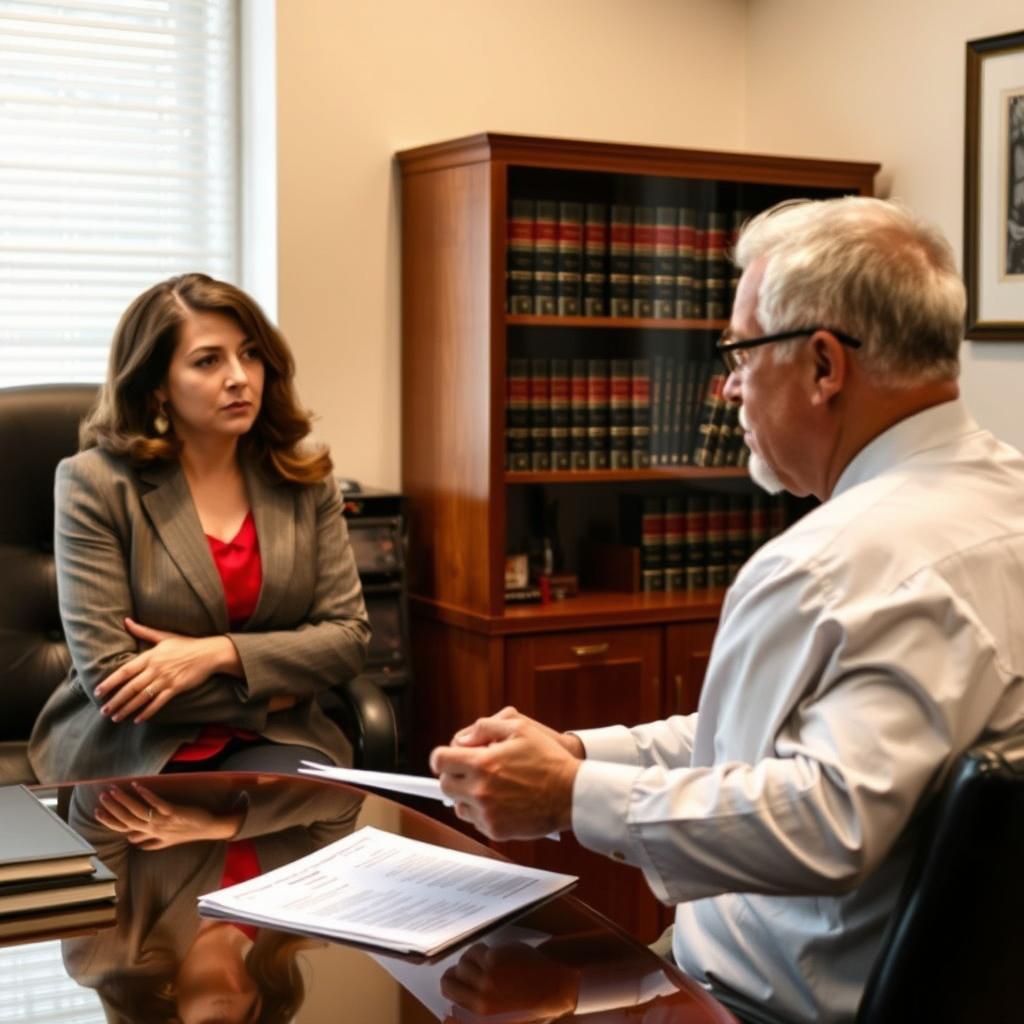
Forgery Defense Lawyer U Street Corridor, DC
When you face a forgery accusation in the U Street Corridor, the charge is prosecuted not by a local district attorney but by the United States Attorney’s Office for the District of Columbia, using the D.C. Code in the Superior Court’s Criminal Division at 500 Indiana Avenue NW. The hybrid federal-local structure of D.C.’s justice system creates procedural complexity that affects every stage of a forgery case—from charging decisions through trial. Law Offices Of SRIS, P.C. defends individuals charged with forgery and related fraud offenses in the U Street Corridor, Shaw, Logan Circle, Columbia Heights, and surrounding neighborhoods. Our Arlington location serves clients throughout the District of Columbia. To discuss your forgery defense with an experienced criminal attorney, call (888) 437-7747. Law Offices Of SRIS, P.C. – Advocacy Without Borders.
What Forgery Defense Means in the U Street Corridor
Forgery in the District of Columbia is defined under Title 22 of the D.C. Code and is prosecuted as a criminal offense that can carry felony exposure, incarceration, and a permanent record. Because D.C. Is a federal enclave, local criminal charges are brought by the United States Attorney’s Office—not a locally elected prosecutor—and are heard in the D.C. Superior Court, a unified trial court of the District. This structure gives the prosecution substantial resources to pursue forgery cases actively, particularly when the alleged forged instrument involves a government document, a financial instrument, or an identity-related matter.
The U Street Corridor’s mix of residential, retail, and entertainment establishments means that forgery charges here can arise from various contexts: allegedly forged checks, altered identification documents, employment-related document falsification, or contracts and financial agreements. Law enforcement may include the Metropolitan Police Department or, in cases with an interstate aspect, federal agencies. Because the U.S. Attorney’s Office prosecutes these local offenses, a defendant needs counsel who understands federal charging practices and the specific pretrial procedures of the D.C. Superior Court. Unlike most states, D.C. Does not use a cash-bail system; instead, the Pretrial Services Agency (a federal agency) conducts a risk assessment and recommends release conditions, which can significantly affect the initial stages of a forgery case. Our Arlington location is roughly 4.5 miles from the courthouse, with easy access via I-395 and the Judiciary Square Metro station, allowing our attorneys to appear regularly in the Criminal Division.
How the Firm Handles Forgery Defense Cases
Mr. Sris, Owner and Founder of Law Offices Of SRIS, P.C., together with the firm’s Of Counsel attorneys, approaches each forgery defense by first examining the prosecution’s evidence for procedural and substantive weaknesses. In D.C., forgery charges may hinge on whether the accused possessed the requisite intent to defraud, whether the instrument itself qualifies as a writing capable of being the subject of forgery, and whether the evidence was lawfully obtained. Our attorneys scrutinize the chain of custody for documents, the validity of any search or seizure that produced the evidence, and the reliability of witness identifications—issues that frequently arise in U Street Corridor cases involving business records or digital evidence.
The firm’s defense strategy can include challenging the authenticity of the allegedly forged document, negotiating with the U.S. Attorney’s Office for a charge reduction or diversionary disposition, and preparing for trial when necessary. D.C. Superior Court permits plea agreements under its Rules of Criminal Procedure, and our counsel evaluates the factual strength of the government’s case to determine whether a negotiated resolution serves the client’s interests. Because forgery charges often carry collateral consequences—including immigration implications, professional licensing issues, and employment barriers—we work to achieve outcomes that protect our clients’ long-term interests beyond the immediate criminal case.
About Mr. Sris and the Firm’s Of Counsel Attorneys
Mr. Sris, Owner and Founder of Law Offices Of SRIS, P.C., is a former prosecutor who founded the firm in 1997. He is admitted to practice in Virginia, Maryland, the District of Columbia, New Jersey, and New York. Mr. Sris testified before the Virginia House Courts of Justice Committee in support of 2019 HB 635 (chief patron Del. David Bulova).
The firm’s Of Counsel attorneys bring extensive combined legal experience in criminal defense, including matters before the D.C. Superior Court. The firm has documented case outcomes since 1997. Results may vary. In the District of Columbia, the firm’s criminal defense practice includes forgery, fraud, theft, and other property offenses, and clients in the U Street Corridor benefit from the firm’s familiarity with local court procedures and its proximity to the courthouse.
Frequently Asked Questions
What is forgery under D.C. Law?
Forgery in the District of Columbia generally involves the false making or material alteration of a writing with the intent to defraud. Under the D.C. Code, forgery can be charged as a felony or a misdemeanor depending on the nature of the instrument and the value at issue. The prosecution must prove that the accused created or altered a document, that the document had legal significance, and that the accused acted with the specific intent to deceive or harm another. Forgery charges may arise from checks, contracts, identification documents, or digital records, and the case is prosecuted by the U.S. Attorney’s Office in the D.C. Superior Court.
What are the potential consequences of a forgery conviction in D.C.?
A forgery conviction in the District of Columbia can lead to incarceration, fines, probation, and a permanent criminal record. Because D.C. Sentencing guidelines consider factors such as the dollar amount involved and the defendant’s criminal history, the specific consequences vary by case. A felony forgery conviction may also trigger collateral consequences, including immigration consequences for noncitizens, professional license revocation, and difficulty securing employment. An experienced attorney can assess the possible penalty range and work to mitigate exposure through plea negotiations or trial defense.
How does a lawyer defend against a forgery charge in D.C.?
Defending a forgery charge in D.C. Involves challenging the prosecution’s evidence on intent, authenticity, and procedural compliance. A defense attorney may argue that the accused lacked fraudulent intent, that the document was not materially altered, or that the accused’s identity was mistaken. Additionally, challenges to the admissibility of evidence—such as documents obtained without a proper warrant—can lead to suppression of key evidence. In some cases, negotiating with the U.S. Attorney’s Office for a reduced charge or diversion program may be a viable strategy, depending on the facts.
Why is the U.S. Attorney’s Office prosecuting my forgery case instead of a D.A.?
Because Washington, D.C. Is a federal territory, the United States Attorney’s Office for the District of Columbia prosecutes all local criminal offenses, including forgery, in the D.C. Superior Court. This unique arrangement means that local crimes are handled by federal prosecutors, who often have access to substantial investigative resources and may pursue cases actively. The presence of federal prosecutors does not change the underlying D.C. Code statutes that define forgery, but it does affect charging practices and the way cases proceed through the court system.
Do I need a lawyer if I am charged with forgery in the U Street Corridor?
While you are not legally required to hire a lawyer, retaining experienced criminal defense counsel is critical when facing a forgery charge in the District of Columbia. Forgery accusations often involve complex documentary evidence and the danger of a felony record. An attorney can protect your rights during pretrial proceedings, challenge the government’s evidence, and advise you on whether to accept a plea offer or proceed to trial. Given the resources of the U.S. Attorney’s Office, self-representation places a defendant at a significant disadvantage. To discuss your case, call (888) 437-7747.
Related Practice Areas in Washington, D.C.:
Washington, D.C. Criminal Defense ·
Georgetown Criminal Lawyer ·
Spring Valley Criminal Defense ·
Cleveland Park Criminal Attorney
Attorney advertising. Prior results do not guarantee a similar outcome.
Results may vary.
Case results depend on a variety of factors unique to each case.