
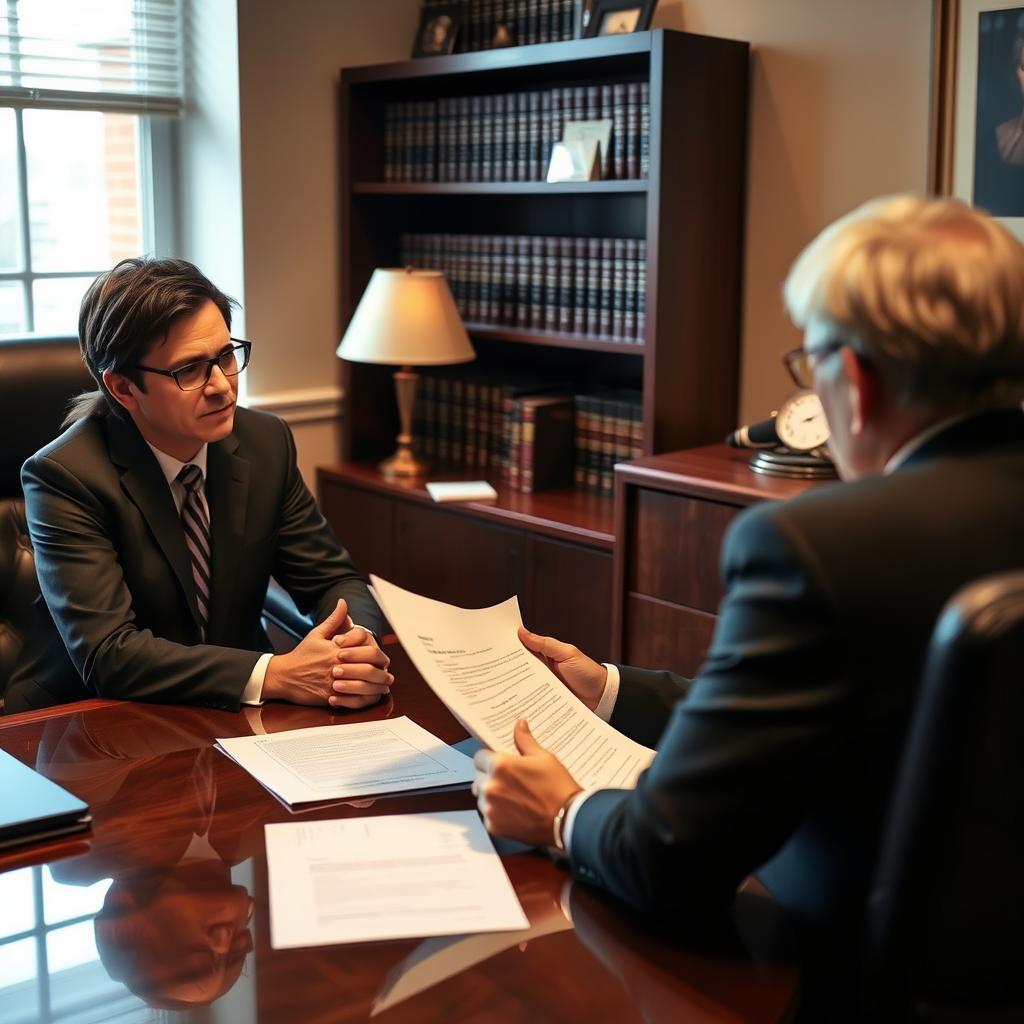
Drug Distribution Lawyer Foggy Bottom, DC
Allegations involving drug distribution in the District of Columbia bring serious risks, including possible incarceration, a criminal record, and collateral consequences that can affect employment, housing, and immigration status. In the Foggy Bottom neighborhood—home to George Washington University, the Kennedy Center, and thousands of residents and commuters—an arrest can feel especially isolating. Because the District does not operate under a conventional state system, drug distribution charges are prosecuted by the United States Attorney’s Office for the District of Columbia (USAO-DC) at DC Superior Court, 500 Indiana Avenue NW. The court uses the Pretrial Services Agency, a federal entity, to assess release conditions rather than cash bail. Having counsel who understands this unique federal‑local hybrid is critical. Mr. Sris and his Of Counsel represent people facing drug distribution accusations in Foggy Bottom and throughout the District. To request a consultation, call (888) 437-7747. Law Offices Of SRIS, P.C. – Advocacy Without Borders.
What Drug Distribution Means in Foggy Bottom, DC
Drug distribution under D.C. Code Title 22 covers more than simply handing a controlled substance to another person. The offense can include selling, delivering, manufacturing, or possessing a controlled substance with the intent to distribute it. The USAO-DC prosecutes these cases, and the charges are heard in the Criminal Division of DC Superior Court. Foggy Bottom arrests are often the result of Metropolitan Police Department operations, campus‑area patrols, or federal task‑force activity given the proximity to government buildings. The government may rely on witness testimony, surveillance, controlled buys, or digital evidence to build a case. Because the District treats many drug‑related offenses as felony matters, the potential consequences are significant even for a first allegation.
Unlike many states, Washington, D.C. Does not have a local district attorney. Instead, a federal prosecutor handles violations of the D.C. Code, bringing federal resources and a different approach to case disposition. The Pretrial Services Agency evaluates each person arrested and makes a recommendation to the judge, which means release conditions are individually assessed. While personal‑use possession of marijuana in amounts under two ounces is legal in the District, the distribution or possession‑with‑intent‑to‑distribute of any controlled substance remains a serious charge. Anyone facing such an allegation benefits from working with counsel who routinely appears at DC Superior Court and understands how the USAO-DC approaches drug cases in neighborhoods like Foggy Bottom.
How Mr. Sris and His Of Counsel Handle Drug Distribution Cases
When someone contacts Mr. Sris and his Of Counsel about a drug distribution matter, the team begins by listening to the person’s account and gathering information about the arrest, the evidence the government may possess, and any statements that were made. The firm then examines the legal basis for the charge, including whether law enforcement followed proper procedures during stops, searches, or interrogations. If procedural missteps occurred, the firm may seek to exclude evidence or challenge the government’s case before trial. Every step is taken with the goal of protecting the client’s rights while the case moves through DC Superior Court.
Throughout the process, the firm stays in communication with the client, explains what to expect at each stage, and explores possible resolutions. In some instances, the USAO-DC may offer a plea that reduces the charges or limits the penalties, but whether to accept any offer is the client’s decision after receiving advice. If a fair resolution cannot be reached, Mr. Sris and his Of Counsel are prepared to take the case to trial. The firm’s approach is grounded in thorough preparation and a working knowledge of how drug distribution cases are handled at 500 Indiana Avenue NW, from arraignment through sentencing. Past results do not guarantee a similar outcome, and the timeline varies with the complexity of each case.
About Mr. Sris and His Of Counsel Team
Mr. Sris is the Owner and Founder of Law Offices Of SRIS, P.C. He established the firm in 1997 after serving as a prosecutor, and he now practices across Virginia, Maryland, the District of Columbia, New Jersey, and New York. His background includes testimony before the Virginia House Courts of Justice Committee in support of 2019 HB 635 (chief patron Del. David Bulova). The firm’s Of Counsel attorneys are engaged through Excella, bringing additional depth to matters involving drug distribution allegations. Mr. Sris and his Of Counsel bring extensive combined legal experience. Results may vary.
The firm serves clients from its Arlington location, which is approximately 4.5 miles from DC Superior Court. Foggy Bottom residents and others in the District can reach the firm by calling (888) 437-7747. The firm offers consultations by appointment, and staff members are available to assist in English and Spanish. For anyone facing a drug distribution charge in the Foggy Bottom area, working with counsel who knows both the courtroom and the unique prosecutorial structure of the District can make a meaningful difference in how the case is handled.
Frequently Asked Questions
Who prosecutes criminal cases in Washington, D.C.?
Criminal cases in the District of Columbia are prosecuted by the United States Attorney’s Office for DC (USAO‑DC), not by a local district attorney. Because DC is a federal territory, violations of the D.C. Code are handled by federal prosecutors. All drug distribution cases are heard at the DC Superior Court, located at 500 Indiana Avenue NW. The USAO‑DC brings federal resources and a distinct charging philosophy to local criminal matters, which is one reason it helps to have counsel familiar with how that office approaches drug offenses.
Does DC have cash bail?
No, Washington, D.C. Does not use a traditional cash‑bail system for most criminal cases. Instead, the Pretrial Services Agency, a federal agency, conducts a risk assessment after an arrest and makes a recommendation to the judge regarding release conditions. Many defendants are released without having to post money. The decision is based on factors such as community ties, employment, and the nature of the charge rather than on a preset dollar amount.
Can I get my DC criminal record sealed?
Yes, D.C. Law permits the sealing of certain criminal records under D.C. Code § 16‑803. Eligibility generally depends on the disposition of the case—acquittals and dismissals often qualify, and some convictions can be sealed after a waiting period. Marijuana offenses have expanded sealing eligibility. A petition is filed with the DC Superior Court, and the process may involve a waiting period and a hearing. Each person’s situation is different, so it is important to have the specific facts reviewed.
What should I do if I am accused of drug distribution in Foggy Bottom?
If you are facing a drug distribution allegation in Foggy Bottom, the most important step is to speak with a lawyer before answering questions or making any decisions about the case. You have the right to remain silent and the right to counsel. Do not discuss the facts with law enforcement or others until you have obtained legal advice. A prompt consultation allows an attorney to begin evaluating the evidence, any search and seizure issues, and potential defenses while the case is still in its early stages.
Do I need a lawyer for a drug distribution charge?
While you are not required to have a lawyer, the consequences of a drug distribution conviction can be severe, making legal representation essential. An experienced defense lawyer can challenge the government’s evidence, seek to suppress improperly obtained information, negotiate with the prosecutor, and, if necessary, represent you at trial. Without counsel, you may unknowingly waive important rights or accept a resolution that has far‑reaching effects on your record and your future.
For a consultation, reach Mr. Sris and his Of Counsel at (888) 437-7747.
Primary resources:
D.C. Code Title 22 — Criminal Offenses and Penalties
DC Superior Court
United States Attorney’s Office for the District of Columbia
Attorney advertising. Prior results do not guarantee a similar outcome.
Case results depend on a variety of factors unique to each case.