
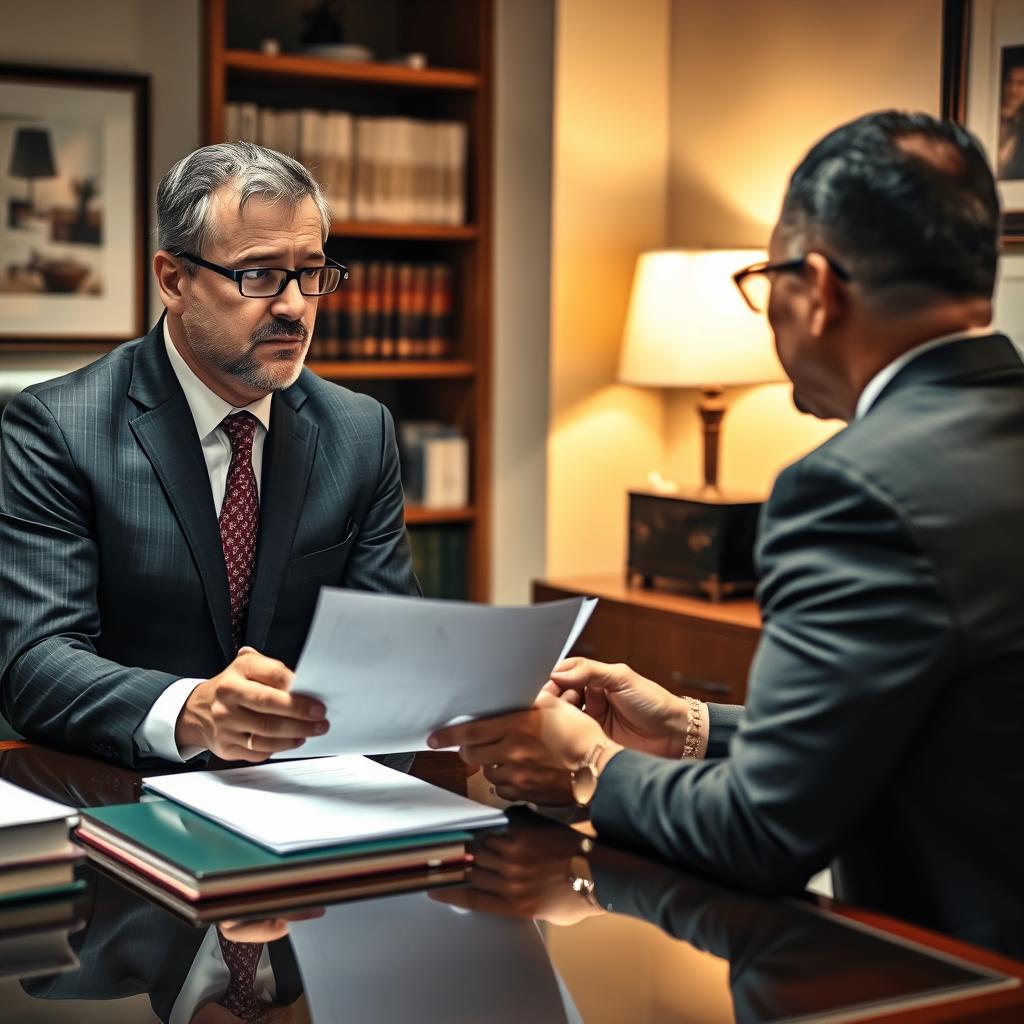
Drug Distribution Lawyer Columbia Heights, DC
If you or a family member is facing a drug distribution charge in Columbia Heights, understanding how criminal prosecutions work in the District of Columbia is critical. Washington, D.C. Occupies a unique position in the American legal system: local crimes are prosecuted not by a district attorney but by the United States Attorney’s Office for the District of Columbia. The same office that brings federal drug-trafficking cases also prosecutes D.C. Code drug distribution offenses. This means a charge that in another state would be handled by a county prosecutor is instead pursued by federal prosecutors in the District’s own unified trial court, the D.C. Superior Court, located at 500 Indiana Avenue NW. Law Offices Of SRIS, P.C. Concentrates its practice on defending individuals in criminal matters across Virginia, Maryland, New Jersey, New York, and the District of Columbia. Mr. Sris and his Of Counsel team bring extensive experience handling criminal defense cases, including drug distribution allegations, in Columbia Heights and throughout the Washington, D.C. Area. To discuss your situation, reach Law Offices Of SRIS, P.C. at (888) 437-7747. Law Offices Of SRIS, P.C. – Advocacy Without Borders.
What Drug Distribution Means in Columbia Heights, DC
In the District of Columbia, drug distribution is governed by D.C. Code Title 22. The offense encompasses the sale, delivery, or possession with intent to distribute a controlled substance. Because the United States Attorney’s Office for D.C. Prosecutes these cases, defendants face a team of federal prosecutors accustomed to handling serious felony matters. Cases are heard at the D.C. Superior Court’s Criminal Division, a courthouse conveniently served by the Judiciary Square Metro station. Columbia Heights residents typically appear at the same downtown courthouse as defendants from every other ward of the city, where the calendar is managed by Superior Court judges with substantial experience in drug-related criminal litigation.
The neighborhood of Columbia Heights—bordered by Mount Pleasant to the north and the 14th Street corridor—falls within the jurisdiction of the Metropolitan Police Department’s Third District. Arrests for drug distribution may originate from street-level enforcement, undercover operations, or long-term investigations by the MPD or federal task forces. A person taken into custody is processed and presented before a judge, often within 24 hours if the charge is a misdemeanor, though distribution charges commonly begin as felony-level matters. At the initial appearance, the D.C. Pretrial Services Agency, a federal agency, assesses the defendant and recommends release conditions. Washington, D.C. Does not use a traditional cash bail system; most individuals are released to the community while the case is pending, though conditions may include supervision, drug testing, or location monitoring depending on the PSA’s recommendation and the court’s determination.
Understanding the prosecutorial framework is essential. Because the USAO-DC handles both local D.C. Code offenses and federal drug crimes, it often deploys investigative resources and charging strategies that mirror federal practice. Yet the proceedings themselves take place in a local court that follows its own rules of criminal procedure. A defense grounded in knowledge of this hybrid environment can help protect a defendant’s rights at every stage, from grand jury indictment through possible trial or plea disposition.
How Mr. Sris and His Of Counsel Handle Drug Distribution Cases
Drug distribution allegations in the District involve serious potential consequences. The approach that Mr. Sris and his Of Counsel bring to these matters begins with a careful review of the government’s evidence and the specific charges under D.C. Code § 48-904.01 et seq. The team examines every aspect of the investigation: the basis for any search or seizure, the chain of custody for alleged controlled substances, the reliability of confidential informants, and whether law enforcement adhered to constitutional and procedural standards. In some cases, the government’s evidence may rest on surveillance, recorded communications, or testimony from cooperating witnesses, each of which can be challenged on legal and factual grounds.
Pretrial litigation can make a meaningful difference. Mr. Sris and his Of Counsel evaluate whether suppression motions are appropriate—for example, if evidence was obtained without a warrant or through an impermissibly broad search. The firm also explores whether the client qualifies for diversion or deferred sentencing programs that may be available in the District. Because the U.S. Attorney’s Office prosecutes these matters, negotiations involve federal-style charging decisions and plea discussions. While past results do not guarantee a similar outcome, a thorough defense strategy addresses the facts of the case and the client’s personal circumstances, always aiming for the most favorable resolution possible under the law.
About Mr. Sris and His Of Counsel Team
Mr. Sris, Owner and Founder of Law Offices Of SRIS, P.C., has practiced law since 1997 and is admitted in the District of Columbia, Virginia, Maryland, New Jersey, and New York. He draws on a background as a former prosecutor to analyze cases from multiple angles, anticipating how the government is likely to approach drug distribution charges filed in the D.C. Superior Court. His understanding of prosecution strategy, combined with extensive courtroom experience in the region, informs the defense work the firm undertakes for Columbia Heights clients.
Working alongside Mr. Sris, the firm’s Of Counsel attorneys bring substantial individual experience in criminal defense, including matters involving complex evidence, scientific testimony, and federal-local prosecutions. Mr. Sris and his Of Counsel have documented favorable outcomes for clients across multiple practice areas in D.C., Virginia, and Maryland. Results may vary. In any future case. The team’s commitment is to provide a well-prepared defense grounded in a realistic assessment of the evidence and the law, always with the goal of protecting the client’s liberty and future.
Frequently Asked Questions
Who prosecutes drug distribution cases in Washington, D.C.?
Drug distribution cases in the District of Columbia are prosecuted by the United States Attorney’s Office for the District of Columbia, not by a local district attorney. The USAO-DC handles offenses under the D.C. Code, which includes drug distribution charges, as well as federal crimes. Cases are heard in the D.C. Superior Court Criminal Division at 500 Indiana Avenue NW, Washington, D.C. 20001. This means a defendant facing a distribution charge in Columbia Heights is up against federal prosecutors who often have significant resources and experience. Having an attorney who is familiar with both local and federal criminal procedure in the District is an important part of mounting an effective defense.
Does DC have cash bail for drug distribution charges?
No, the District of Columbia does not use a cash bail system for most offenses, including drug distribution charges. Instead, the D.C. Pretrial Services Agency, a federal agency, conducts a risk assessment and makes release recommendations to the court. The judge may order release with conditions such as supervision, drug testing, or travel restrictions, but the defendant generally does not need to post money to be released while the case is pending. If the PSA or the prosecutor argues for preventative detention, the court holds a hearing to determine whether the individual poses a safety risk or flight risk under the applicable statutory standard.
What are the possible consequences of a drug distribution conviction in DC?
A conviction for drug distribution in the District of Columbia can lead to incarceration, a fine, probation, and a permanent criminal record, with the specific sentence determined by the drug type, quantity, and the defendant’s prior history. The applicable penalty ranges are established under D.C. Code Title 22 and the District’s sentencing guidelines. Beyond the direct court-imposed sentence, a felony drug distribution conviction may affect employment, housing, federal student aid eligibility, and other aspects of daily life. Every case is different, and the actual outcome depends on the facts of the charge and the defense presented.
How can a lawyer challenge a drug distribution charge in DC?
A defense attorney may challenge a drug distribution charge by examining the legality of the stop or search, contesting the chain of custody or lab analysis of the alleged drugs, or demonstrating that the defendant lacked the required intent to distribute. Mr. Sris and his Of Counsel investigate whether law enforcement obtained evidence in violation of the Fourth Amendment—such as conducting a warrantless search without probable cause or exceeding the scope of a warrant. They also scrutinize the credibility of witnesses, the reliability of confidential informants, and whether any statements made by the accused were voluntary and properly obtained. A well-prepared defense explores every available avenue to seek a dismissal of charges, a reduction, or a not-guilty verdict at trial.
Do I need a lawyer for a drug distribution charge in Columbia Heights?
While you have the right to represent yourself, facing a drug distribution charge without an experienced defense attorney is extremely risky given the seriousness of the offense and the fact that the U.S. Attorney’s Office is prosecuting the case. A lawyer can file appropriate motions, negotiate with the prosecutor, and guide you through each step of the D.C. Superior Court process. Law Offices Of SRIS, P.C. serves clients in Columbia Heights and throughout the District. To request a consultation, call (888) 437-7747.
What is the difference between drug possession and drug distribution in DC?
Drug possession generally involves a small amount of a controlled substance for personal use, while drug distribution involves selling, delivering, or possessing a larger quantity with the intent to distribute it to others. The District of Columbia has decriminalized possession of marijuana in small amounts, but distribution of any controlled substance—including marijuana in amounts exceeding the legal limit or without proper licensing—remains a felony offense. The prosecutor must prove that the defendant intended to distribute the substance, which can be shown through evidence such as packaging materials, scales, large quantities of cash, or communications related to sales. An attorney can challenge the government’s evidence of intent and argue that the substance was for personal consumption only.
Related Criminal Defense Pages:
Washington, D.C. Criminal Defense Overview |
Criminal Defense Lawyer in Georgetown |
Criminal Defense Lawyer Spring Valley |
Criminal Defense Lawyer Cleveland Park |
Criminal Defense Lawyer Chevy Chase
Attorney advertising. Prior results do not guarantee a similar outcome. Results may vary.
Case results depend on a variety of factors unique to each case.