
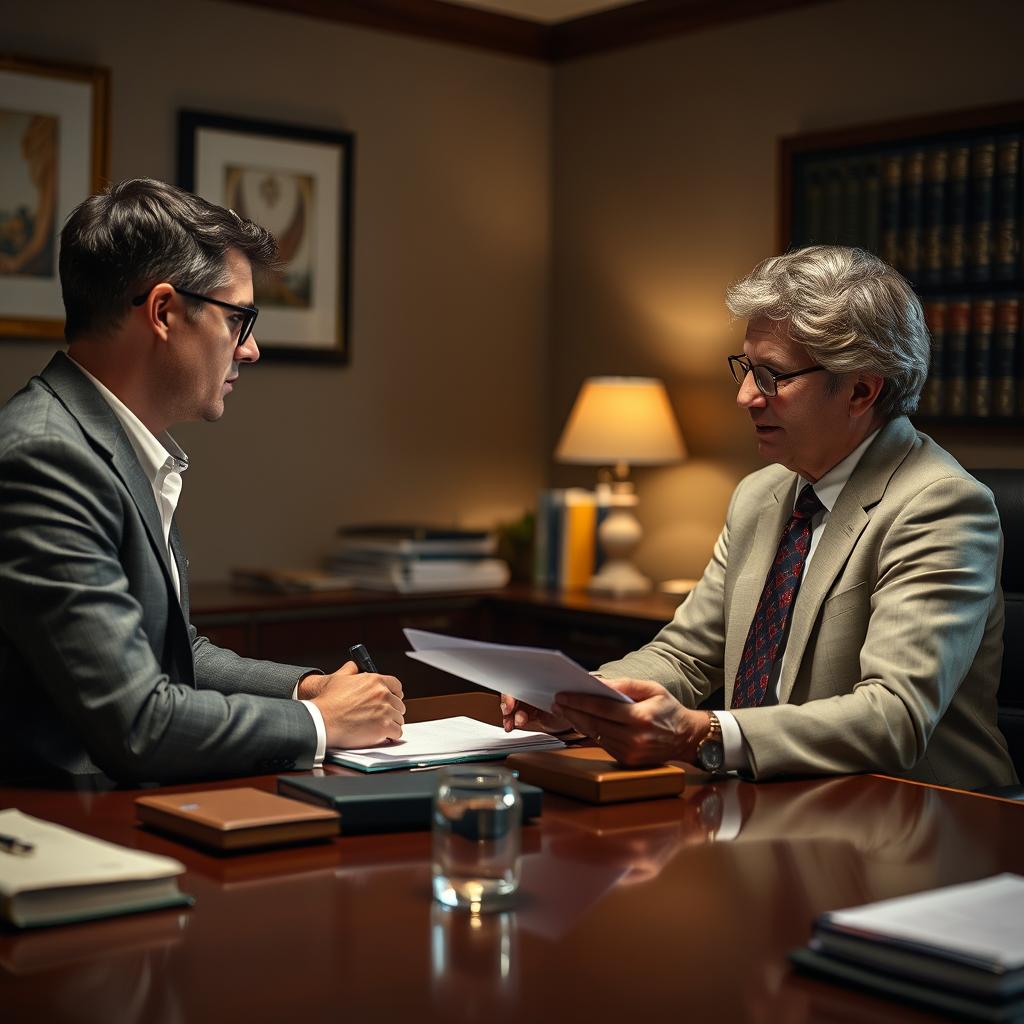
Controlled Substance Lawyer Washington DC
If you or someone close to you is facing a controlled substance charge in Washington, D.C., the legal landscape is unlike any other jurisdiction in the country. D.C. Is a federal territory, and criminal cases—including drug offenses—are prosecuted by the United States Attorney’s Office for the District of Columbia, not a local district attorney. Charges are heard at DC Superior Court, located at 500 Indiana Avenue NW. The Metropolitan Police Department makes arrests, but the Pretrial Services Agency, a federal agency, handles release decisions through a risk-assessment process rather than a traditional cash bail system. Controlled substance matters in D.C. Can range from simple possession to possession with intent to distribute, and the approach taken by prosecutors often reflects the federal resources behind the USAO-DC. Having experienced legal counsel who understands how these cases move through the DC Superior Court Criminal Division is an important step in protecting your rights and building a meaningful response to the charges. For a consultation about your situation, reach Law Offices Of SRIS, P.C. at (888) 437-7747. Law Offices Of SRIS, P.C. – Advocacy Without Borders.
What Controlled Substance Charges Mean in Washington, D.C.
Washington, D.C. Occupies a distinctive position in the American legal system. It is not a state, and its local criminal prosecutions are conducted by federal prosecutors. When someone is charged with a controlled substance offense—whether possession of a Schedule I or II substance, possession with intent to distribute, or distribution itself—the case is filed in DC Superior Court and prosecuted by an Assistant United States Attorney. This means the prosecutorial resources, investigative support, and institutional approach differ from what a defendant might encounter in a state-level prosecution in Virginia or Maryland.
Controlled substance offenses in D.C. Are governed primarily by D.C. Code Title 22 and Title 48. The severity of a charge often depends on the type and quantity of the alleged substance, the circumstances of the arrest, and whether the government asserts an intent to distribute. Simple possession of certain substances has been largely decriminalized in the District, and marijuana possession of under two ounces is legal for adults 21 and over. However, possession of substances such as cocaine, heroin, fentanyl, or unauthorized prescription medications can still result in misdemeanor or felony charges. Distribution and possession-with-intent charges carry significantly greater consequences. The DC Superior Court Criminal Division at 500 Indiana Avenue NW handles all phases of these cases, from presentment through trial.
How Mr. Sris and His Of Counsel Handle Controlled Substance Cases
Controlled substance defense in D.C. Begins with a careful review of the arrest and the evidence the government intends to use. Law enforcement officers must follow constitutional requirements regarding searches, seizures, and interrogations. If an arrest followed a traffic stop, a search of a vehicle, or a search of a residence, the lawfulness of that search may be a central issue in the case. Mr. Sris and his Of Counsel examine the facts, the police reports, and any laboratory analysis to identify issues that may support a motion to suppress evidence, a challenge to the sufficiency of the government’s proof, or a basis for negotiating a favorable resolution.
Because DC does not use cash bail, the Pretrial Services Agency assesses each defendant and makes a release recommendation to the court. Having counsel involved early—before the presentment hearing—can help ensure that the court receives relevant information about ties to the community, employment, and other factors that may support a release recommendation. From there, the case proceeds through status hearings, possible motion practice, and, if necessary, trial. Throughout the process, Mr. Sris and his Of Counsel work to protect the client’s rights and pursue the most favorable resolution achievable under the specific facts of the case.
About Mr. Sris and His Of Counsel Team
Mr. Sris, Owner and Founder of Law Offices Of SRIS, P.C., has practiced law since 1997. A former prosecutor, he brings insight into how the government prepares and presents its cases. His experience includes handling criminal matters across multiple jurisdictions, including the District of Columbia. Mr. Sris testified before the Virginia House Courts of Justice Committee in support of 2019 HB 635 (chief patron Del. David Bulova). He is admitted to practice in Virginia, Maryland, the District of Columbia, New Jersey, and New York.
Mr. Sris is joined by Of Counsel attorneys who bring their own substantial experience to the firm’s criminal defense work. The Of Counsel team includes attorneys admitted to practice in D.C. Courts with backgrounds in complex criminal litigation, evidence challenges, and trial advocacy. Together, Mr. Sris and his Of Counsel provide multi-state representation to clients facing controlled substance charges in Washington, D.C. And the surrounding jurisdictions. Reach Law Offices Of SRIS, P.C. at (888) 437-7747 to request a consultation.
Frequently Asked Questions
Who prosecutes controlled substance cases in Washington, D.C.?
Criminal cases in DC, including controlled substance offenses, are prosecuted by the United States Attorney’s Office for the District of Columbia, not by a local district attorney. DC is a federal territory where local crimes under the D.C. Code are handled by federal prosecutors. All cases are heard at DC Superior Court, located at 500 Indiana Avenue NW. The USAO-DC has substantial resources and often pursues drug cases with the support of federal investigative agencies, making experienced defense counsel an important consideration for anyone facing these charges.
Does DC use cash bail for drug-related arrests?
No, the District of Columbia does not use a traditional cash bail system. Instead, the Pretrial Services Agency—a federal agency—conducts a risk assessment and makes a release recommendation to the court. Most defendants are released without posting money, though conditions such as supervision, drug testing, or stay-away orders may be imposed. Having an attorney present early in the process can help ensure that the court has the information it needs to make an appropriate release decision.
What are the potential consequences of a controlled substance conviction in DC?
The consequences of a controlled substance conviction in DC depend on the specific charge, the type and quantity of the substance, and the defendant’s prior record. A misdemeanor possession conviction may result in probation, fines, or a short period of incarceration. Felony distribution or possession-with-intent charges carry the possibility of longer incarceration periods. Beyond court-imposed penalties, a drug conviction can affect employment opportunities, professional licensing, and immigration status for non-citizens. Each case is different, and the specific facts determine the range of possible outcomes.
Can a DC drug charge be sealed or expunged from my record?
Yes, DC law provides for record sealing under D.C. Code § 16-803 for certain qualifying dispositions. Acquittals, dismissals, and some convictions may be eligible for sealing after the applicable waiting period. Marijuana-related offenses have expanded eligibility for sealing in the District. A petition for sealing is filed with DC Superior Court. Eligibility depends on the specific charge, the outcome of the case, and the time that has passed since the case concluded. An attorney can evaluate whether your particular situation qualifies under current DC law.
What should I do if I am arrested for a controlled substance offense in DC?
If you are arrested, remain calm and ask to speak with an attorney before answering any questions from law enforcement. Do not discuss the facts of your case with anyone except your lawyer. The Metropolitan Police Department or other arresting agency will process you, and you will appear before a judge at DC Superior Court for a presentment hearing, typically within 24 hours. Contact an experienced criminal defense attorney as soon as possible so that counsel can be present at the presentment and begin working on your behalf from the earliest stage of the case.
Do I need a lawyer for a controlled substance charge in DC?
You are not legally required to hire a lawyer, but having experienced counsel is widely considered essential when facing any criminal charge in DC. The United States Attorney’s Office prosecutes these cases actively, and the procedural rules at DC Superior Court can be challenging to navigate without legal training. An attorney can evaluate the strength of the government’s evidence, identify constitutional or procedural issues, negotiate with the prosecutor, and advocate at every stage of the proceeding. To discuss your situation, reach Law Offices Of SRIS, P.C. at (888) 437-7747.
How are controlled substance cases different in DC compared to Virginia or Maryland?
DC controlled substance cases are prosecuted by federal prosecutors in a federal-territory court system, whereas Virginia and Maryland cases are handled by state prosecutors in state courts. This structural difference affects everything from the resources available to the prosecution to the procedural rules that apply. DC also does not use cash bail, while Virginia and Maryland do. Additionally, DC has decriminalized personal-use possession of certain substances and legalized marijuana possession for adults, which may affect how prosecutors approach some drug cases. An attorney experienced in the DC system can explain how these differences may impact your specific situation.
Related Practice Areas: Criminal Defense Georgetown DC | Criminal Defense Capitol Hill DC | Criminal Defense Dupont Circle DC | Criminal Defense Anacostia DC | Criminal Defense Columbia Heights DC
Attorney advertising. Prior results do not guarantee a similar outcome.
Case results depend on a variety of factors unique to each case.