
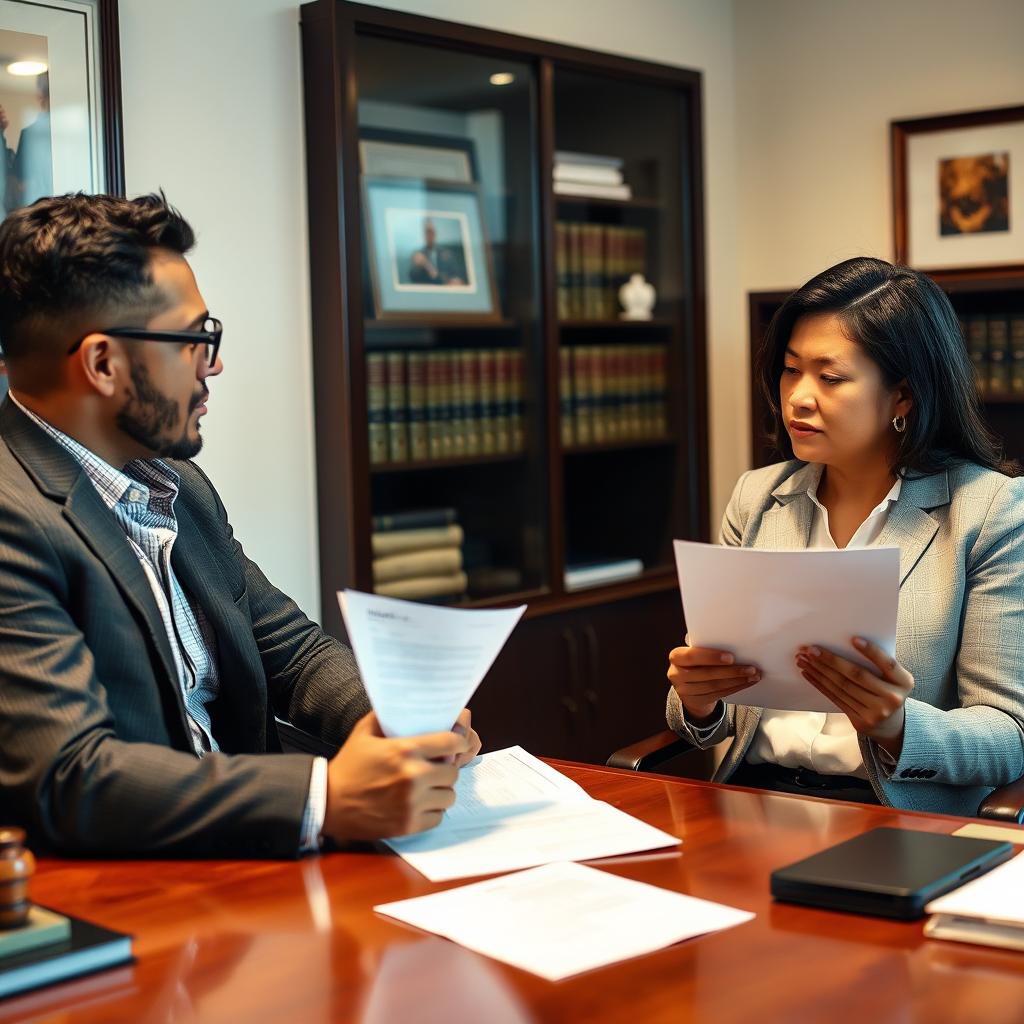
Shoplifting Lawyer Georgetown, DC
Facing a shoplifting charge in Georgetown can be unsettling. Shoplifting allegations in the District of Columbia are prosecuted by the United States Attorney’s Office for DC (USAO‑DC) through the D.C. Superior Court, not by a local district attorney. That prosecutorial structure, combined with DC’s unique approach to pretrial release—the Pretrial Services Agency (PSA) conducts a risk assessment rather than requiring cash bail—means the process differs from what many people expect. A shoplifting conviction can lead to a criminal record, jail time, fines, and collateral consequences for employment, housing, or professional licensing. If you have been charged or are under investigation for shoplifting in Georgetown, legal guidance can help you understand the charge and build a response. Reach Law Offices Of SRIS, P.C. at (888) 437‑7747 to request a consultation. Law Offices Of SRIS, P.C. – Advocacy Without Borders.
What Shoplifting Means in Georgetown, DC
Shoplifting is not a separate offense in the D.C. Code; it is prosecuted under the District’s general theft statutes. The value of the property that is alleged to have been taken determines how the charge is classified. Law enforcement and prosecutors in the District treat shoplifting from retail establishments in Georgetown—whether along Wisconsin Avenue, M Street, or the Georgetown waterfront—as theft.
Under D.C. Law, shoplifting is prosecuted as theft. Theft of property valued over $1,000 is first‑degree theft, a felony punishable by up to 10 years in prison. Theft under $1,000 is second‑degree theft, a misdemeanor punishable by up to 180 days in jail.
Source: D.C. Code Title 22 (Criminal Offenses and Penalties). D.C. Code Title 22
Reviewed by Mr. Sris, admitted in VA/MD/DC/NJ/NY.
The criminal division of the D.C. Superior Court, located at 500 Indiana Avenue NW, hears all misdemeanor and felony shoplifting cases arising in Georgetown. Because DC does not rely on cash bail, the court typically sets release conditions based on the PSA’s risk assessment rather than requiring a money bond. Understanding these local procedures—as well as the potential for record sealing after a favorable outcome—is a critical part of defending a Georgetown shoplifting charge.
Counsel appearing on criminal matters at the District of Columbia.
How Mr. Sris and His Of Counsel Handle Shoplifting Cases
Mr. Sris and his Of Counsel team approach each Georgetown shoplifting case by first examining the evidence that the prosecution intends to use. They assess whether the value of the allegedly taken merchandise has been accurately calculated, because that valuation determines whether the charge is a felony or a misdemeanor. They also review store surveillance footage, employee statements, and the procedures followed by loss‑prevention personnel, looking for gaps that may affect the strength of the government’s case.
After evaluating the evidence, the team works to negotiate with the U.S. Attorney’s Office. In many shoplifting matters, the discussion focuses on whether the charge can be reduced to a lesser offense or diverted to a program that may ultimately lead to a dismissal. If a trial is in the client’s best interest, the team prepares every motion and the defense presentation with attention to the specific rules and practices of the D.C. Superior Court. Throughout the process, the attorneys also advise on post‑resolution options such as record sealing under D.C. Code § 16‑803 for clients who qualify.
About Mr. Sris and His Of Counsel Team
Mr. Sris, Owner and Founder of Law Offices Of SRIS, P.C., is a former prosecutor who has practiced since 1997. He is admitted in Virginia, Maryland, the District of Columbia, New Jersey, and New York. His experience includes criminal defense work in the District, where he has appeared in matters before the D.C. Superior Court. Mr. Sris testified before the Virginia House Courts of Justice Committee in support of 2019 HB 635 (chief patron Del. David Bulova).
Mr. Sris handles Georgetown criminal matters together with his Of Counsel, a group of experienced attorneys engaged through the firm. Mr. Sris and his Of Counsel bring extensive combined legal experience. Results may vary. The team’s approach is to give every client a straightforward assessment of the charges and a clear explanation of the options before any strategic decision is made.
Frequently Asked Questions
Is shoplifting a felony or a misdemeanor in DC?
Shoplifting is charged as either a felony or a misdemeanor based on the value of the property taken. Under D.C. Law, theft of property valued at more than a statutory amount is first‑degree theft, a felony with a maximum penalty of 10 years in prison. Theft of property valued at that amount or less is second‑degree theft, a misdemeanor punishable by up to 180 days in jail. Even a misdemeanor conviction can create a lasting criminal record, so the charge classification matters significantly.
Who prosecutes shoplifting cases in Washington, D.C.?
The United States Attorney’s Office for the District of Columbia (USAO‑DC) prosecutes local crimes, including shoplifting, in D.C. Unlike most states, the District does not have a locally elected district attorney for criminal matters; instead, federal prosecutors handle violations of the D.C. Code in the D.C. Superior Court. The charging document, plea negotiations, and trial are managed by an Assistant United States Attorney.
Does DC use cash bail for shoplifting charges?
No. The District of Columbia does not use a traditional cash‑bail system. After an arrest in Georgetown, the Pretrial Services Agency (PSA), a federal agency, conducts a risk assessment and recommends release conditions to the court. Many defendants are released on personal recognizance or with non‑financial conditions such as reporting requirements or stay‑away orders. Whether you are held or released pending trial depends on the PSA’s findings and the judge’s decision, not on the ability to post money.
Can a shoplifting charge be dropped or reduced in Georgetown?
Yes, shoplifting charges can be dismissed or reduced depending on the evidence, the defendant’s background, and the government’s case. In the D.C. Superior Court, the U.S. Attorney’s Office may agree to amend a felony theft charge to a misdemeanor or to offer diversion if the value involved is modest and the defendant has no significant history. An effective defense strategy often involves presenting mitigating information early in the process and challenging the prosecution’s proof regarding intent or the value of the property.
Can I get my DC shoplifting record sealed?
Yes. D.C. Law allows record sealing for qualifying offenses, including shoplifting, under D.C. Code § 16‑803. If the charge results in an acquittal, a dismissal, or a conviction for which the waiting period has elapsed, you may petition the court to seal the record. Sealing eligibility depends on the final disposition of your case and whether any other convictions exist. An attorney can help determine whether your particular shoplifting matter qualifies.
Do I need a lawyer for a shoplifting charge in Georgetown?
You are not required to have a lawyer, but the stakes of a shoplifting charge make legal representation important. Even a misdemeanor conviction can follow you on background checks, while a felony theft conviction carries long‑term consequences for employment, housing, and professional licenses. An attorney can evaluate the strength of the prosecution’s evidence, negotiate for a reduction or dismissal, and advise you on post‑resolution record‑sealing options. For a consultation, reach Mr. Sris and his Of Counsel at (888) 437‑7747.
Related legal representation in the District: Washington, D.C. Criminal defense | Spring Valley criminal defense | Cleveland Park criminal defense | Chevy Chase DC criminal defense | American University Park criminal defense
Attorney advertising. Prior results do not guarantee a similar outcome.
Case results depend on a variety of factors unique to each case.
Results may vary.