
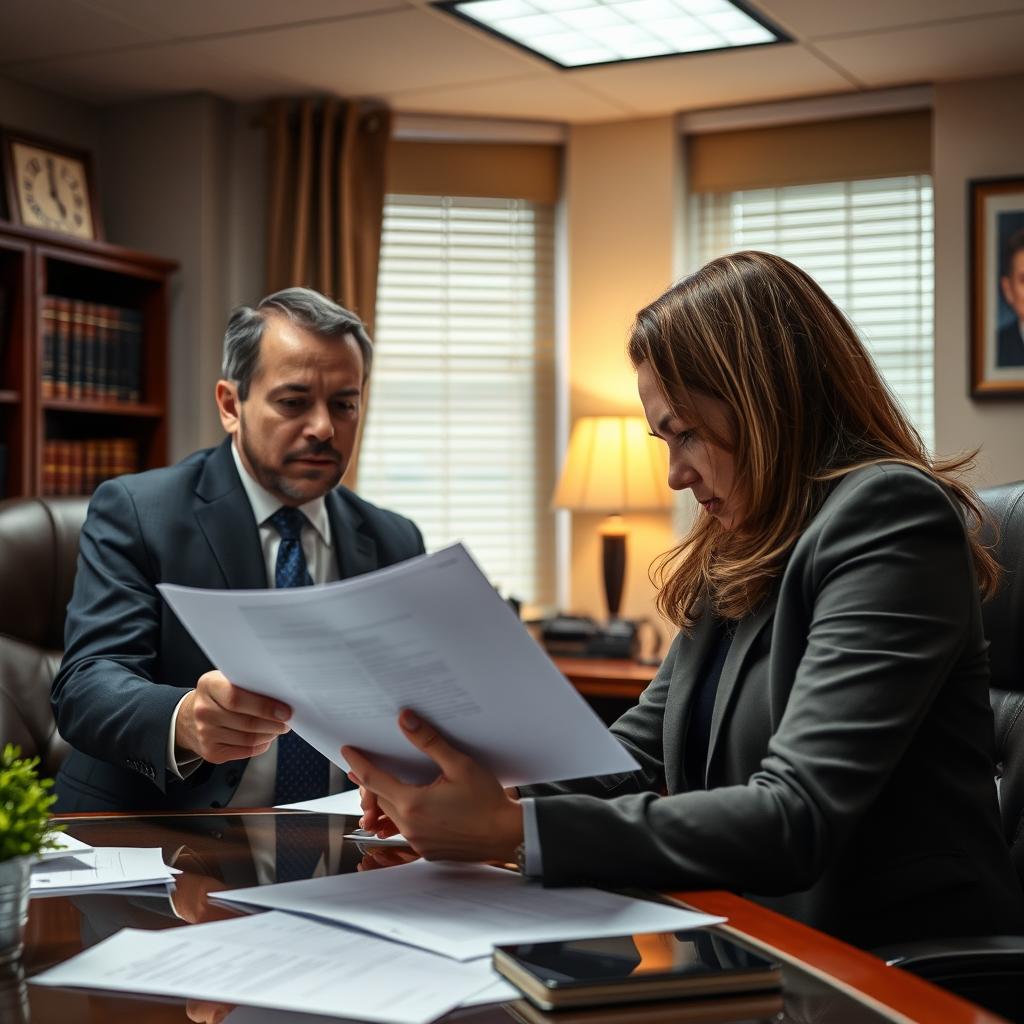
Internet Sex Crime Lawyer Roanoke County, VA
An accusation of an internet sex crime in Roanoke County, Virginia, carries immediate and serious consequences. Charges such as online solicitation of a minor under Va. Code § 18.2-374.3 are prosecuted as Class 5 felonies, punishable by one to ten years in prison. Law enforcement agencies, including the Virginia State Police and local task forces, actively conduct undercover online operations; a person may be charged even if the “minor” was actually an officer. At Law Offices Of SRIS, P.C., Mr. Sris and his Of Counsel team represent individuals facing these charges in the Roanoke County General District Court and the Roanoke County Circuit Court. Our firm brings together a former prosecutor and a former Virginia State Trooper to examine law enforcement tactics, challenge evidence, and work toward the strong outcome. To schedule a consultation, call (888) 437-7747. Law Offices Of SRIS, P.C. – Advocacy Without Borders.
What Internet Sex Crime Charges Mean in Roanoke County, Virginia
Online solicitation of a minor, commonly charged under Va. Code § 18.2-374.3, is a Class 5 felony in Virginia. A conviction can result in one to ten years of incarceration and a permanent criminal record. The Roanoke County Commonwealth’s Attorney handles prosecution, and cases are heard at the Roanoke County General District Court for preliminary hearings and at the Roanoke County Circuit Court for felony trials. The courthouse is located at 305 East Main Street, Salem, VA 24153.
These investigations frequently involve undercover officers posing as minors in internet chat rooms, social media platforms, or messaging applications. The law does not require that an actual minor be involved; an attempt to solicit what the defendant believes to be a minor—even if unreal—is sufficient for a charge. Because these allegations often turn on digital evidence, an immediate and thorough review of the record is critical. While Virginia law does not permit the judge to participate in plea negotiations, the Commonwealth’s Attorney may agree to reduce or amend charges through a plea agreement under Virginia Supreme Court Rule 3A:8. Deferred disposition or other sentencing alternatives may be available in certain circumstances, depending on the facts of the case.
How Mr. Sris and His Of Counsel Handle Internet Sex Crime Cases
When our firm is engaged, we move quickly to secure and examine all relevant digital communication records, law enforcement reports, and forensic data. Mr. Sris, a former prosecutor, and his Of Counsel team—which includes a former Virginia State Trooper—evaluate whether law enforcement procedures followed constitutional requirements. Potential defense strategies may include challenging the integrity of the online interaction, examining entrapment issues, and contesting the reliability of electronic evidence.
The process typically begins with a confidential consultation, during which we listen to the client’s account, explain the charges and possible penalties, and outline a preliminary strategy. If a resolution short of trial can be achieved through negotiations with the prosecutor, we pursue that avenue while preparing the case for trial as a parallel track. Every prosecution’s case rests on proof beyond a reasonable doubt, and we scrutinize each element of the Commonwealth’s evidence. Because each case is unique, the timeline varies based on court scheduling and the complexity of the digital evidence. Throughout, the client stays informed and makes the decisions that drive the representation.
About Mr. Sris and His Of Counsel Team
Mr. Sris, Owner and Founder of Law Offices Of SRIS, P.C., has practiced law since 1997. A former prosecutor, he is admitted to the bars of Virginia, Maryland, the District of Columbia, New Jersey, and New York. Mr. Sris testified before the Virginia House Courts of Justice Committee in support of 2019 HB 635 (chief patron Del. David Bulova). His Of Counsel team brings together extensive litigation experience, including a former Virginia State Trooper whose law enforcement background provides practical insight into the investigative methods often at issue in internet sex crime prosecutions. Mr. Sris and his Of Counsel bring over 120 years of combined legal experience and have achieved 4,739+ documented firm-wide results. Results may vary.
Frequently Asked Questions
What is the penalty for online solicitation of a minor in Roanoke County?
Online solicitation of a minor is a Class 5 felony in Virginia, carrying one to ten years in prison. The sentence is determined by the Roanoke County Circuit Court judge or a jury after a trial or plea. Because the offense involves a minor—even an undercover officer—it triggers mandatory sex offender registration requirements if convicted. Additional penalties may include probation, fines, and court-ordered treatment programs. The specifics of the case and the defendant’s record influence the final sentence. A defense attorney can explain what a potential plea offer or trial outcome may realistically look like based on the facts.
How do law enforcement stings work in Roanoke County?
Undercover officers pose as minors on internet platforms, engage in conversation, and wait for a solicitation to occur. Even if no in-person meeting takes place, the online communication alone can support a charge. Once an arrest is made, law enforcement typically seizes computers, phones, and other devices for forensic examination. These sting operations are run by the Virginia State Police, the Roanoke County Police Department, or federal task forces. The evidence is then turned over to the Roanoke County Commonwealth’s Attorney for prosecution. An experienced defense attorney can challenge the chain of custody, the authenticity of the communication, and whether entrapment occurred.
Can I be charged if I never met anyone in person?
Yes, an actual meeting is not required to be charged with online solicitation of a minor. The statute criminalizes the act of using a computer to attempt to solicit a minor. If the communication, viewed objectively, shows an intent to engage in sexual conduct with someone the defendant believes is underage, that is sufficient for prosecution. The Roanoke County Commonwealth’s Attorney may proceed even if the “minor” was an adult decoy. Because the law punishes the attempt, a defense often focuses on what the communications actually reflect and whether the elements of the offense are truly met.
What should I do if I am under investigation for an internet sex crime?
If you believe you are under investigation, do not speak with law enforcement without an attorney. Anything you say can be used against you. Contact a criminal defense lawyer immediately so that evidence can be preserved and potential defenses can be evaluated before charges are formally filed. Our firm accepts calls 24 hours a day, seven days a week. Early involvement of counsel can sometimes influence the charging decision or lead to a more favorable resolution. Call (888) 437-7747 to discuss your situation confidentially.
Can internet sex crime charges be reduced or dismissed in Roanoke County?
In some cases, the Commonwealth’s Attorney may agree to reduce or dismiss charges through plea negotiations. Although judges do not participate in plea bargaining, the prosecutor can amend the charge to a lesser offense or nolle prosequi under appropriate circumstances. A defense that exposes weaknesses in the digital evidence, suggests improper police conduct, or demonstrates a lack of intent may lead to a more favorable resolution. Our firm has negotiated outcomes in criminal matters across Virginia, and we approach each case by identifying the procedural and substantive issues that could benefit the client.
How does bail work for internet sex crime charges in Roanoke County?
A magistrate sets bond shortly after arrest; for a felony charge, secured bond is typical. The magistrate makes a bond decision based on factors such as community ties, flight risk, and the nature of the allegations. A secured bond requires either full cash payment or a bail bondsman, who usually charges a ten percent non-refundable fee. The bond decision can be appealed to the Roanoke County General District Court. A defense attorney can present arguments for a lower bond or release on personal recognizance when appropriate.
Do I need a lawyer for an internet sex crime charge?
Yes, a felony internet sex crime charge carries the possibility of lengthy incarceration and lifelong consequences. A conviction will likely require registration as a sex offender, limit employment opportunities, and affect housing and family relationships. The Roanoke County courts follow strict evidentiary rules, and without an attorney familiar with digital evidence and state criminal procedure, a defendant faces a significant disadvantage. Our firm offers confidential consultations where you can learn about your options without obligation. For a direct discussion, call (888) 437-7747.
What role does digital evidence play in these cases?
Digital evidence—chat logs, emails, images, and device forensic reports—usually forms the backbone of the prosecution’s case. Law enforcement extracts data from computers and phones using specialized software. However, digital evidence may be susceptible to authentication challenges, metadata inaccuracies, or chain-of-custody gaps. Our team works with forensic experts to examine the data and identify weaknesses. We also seek to determine whether any communications were altered or taken out of context. These efforts can be critical to building a viable defense.
How does the Roanoke County General District Court process work for these charges?
Felony internet sex crime charges start with a preliminary hearing in the General District Court. At that hearing, the judge determines whether probable cause exists to send the case to the Circuit Court for trial. The preliminary hearing is not a full trial, but it gives the defense an opportunity to cross-examine the Commonwealth’s witnesses and assess the strength of the evidence. After the case is certified to the Circuit Court, a formal arraignment and scheduling order follow. From there, plea discussions or trial preparation proceeds according to the court’s calendar.
What should I bring to a consultation with a criminal defense lawyer?
Bring any documents you have related to the case, such as the summons, arrest paperwork, and any communications you recall exchanging. If you have already spoken with law enforcement, write down what you said and what they asked. Do not delete any messages or destroy any devices; doing so could lead to additional charges. A written timeline of events is helpful. During the consultation, the attorney will explain the legal process, discuss potential defenses, and outline what to expect. To schedule an appointment, call (888) 437-7747.
Where to find more information
Our firm publishes additional guidance for Virginia criminal defense matters on the following pages: Fairfax County criminal defense, Prince William County criminal defense, Manassas criminal defense, Falls Church criminal defense. For a broader look at our practice, visit Virginia criminal defense practice.
Primary legal sources
Review the applicable statute: Virginia Code Title 18.2, Crimes and Offenses Generally. For information on the Roanoke County court, visit the Roanoke County General District Court website.
Attorney advertising. Prior results do not guarantee a similar outcome.
Results may vary. Case results depend on a variety of factors unique to each case.